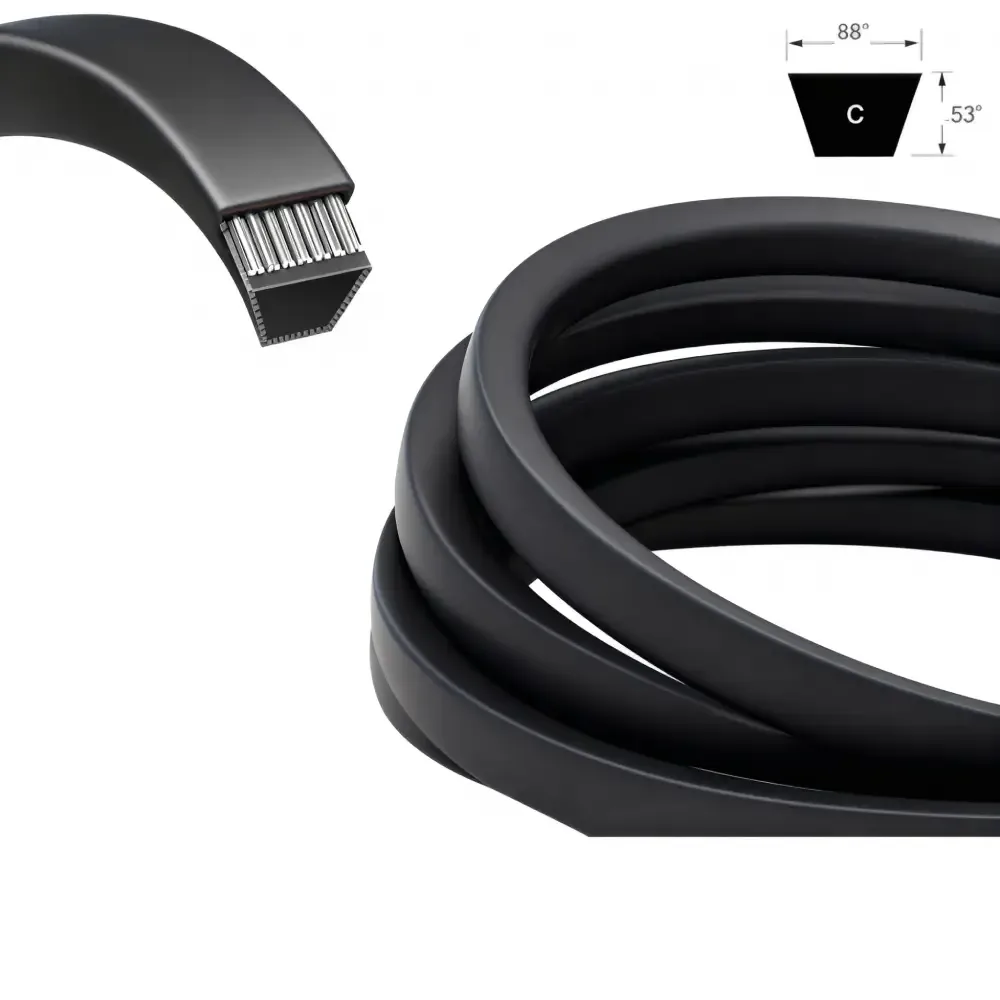
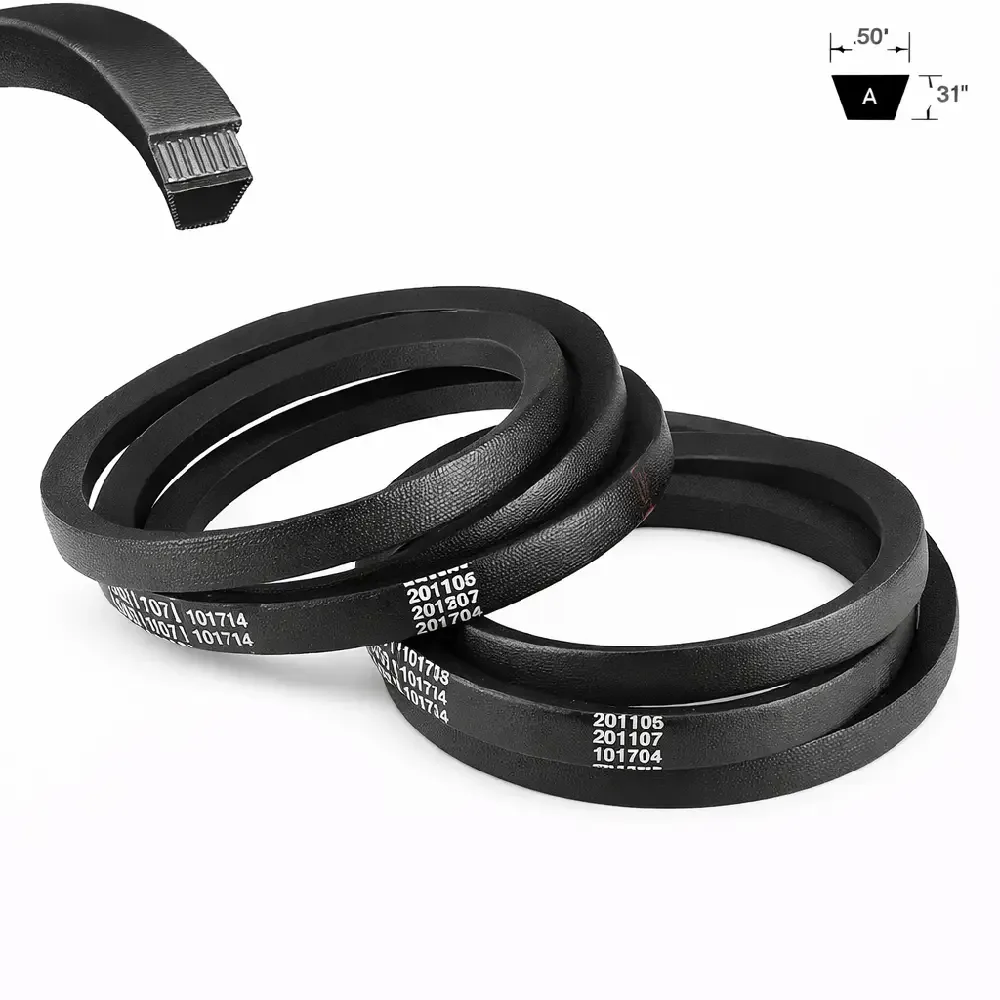
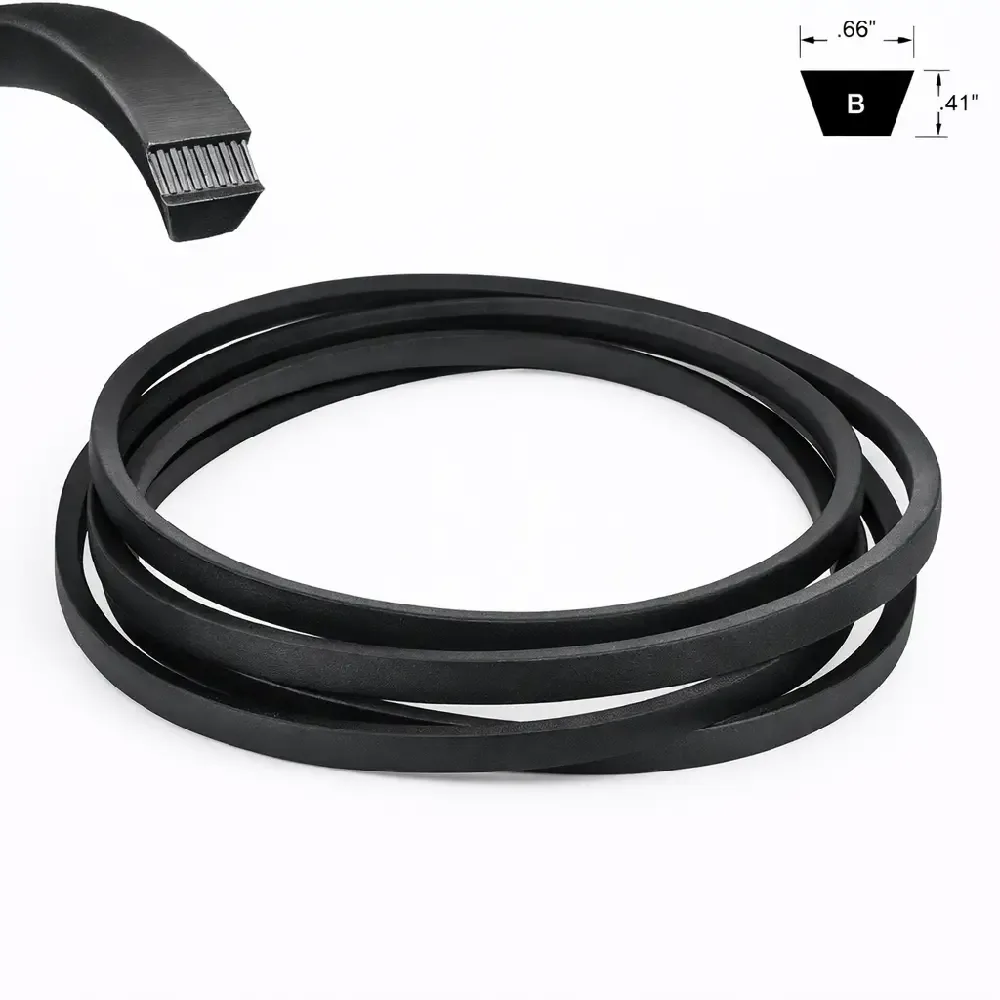
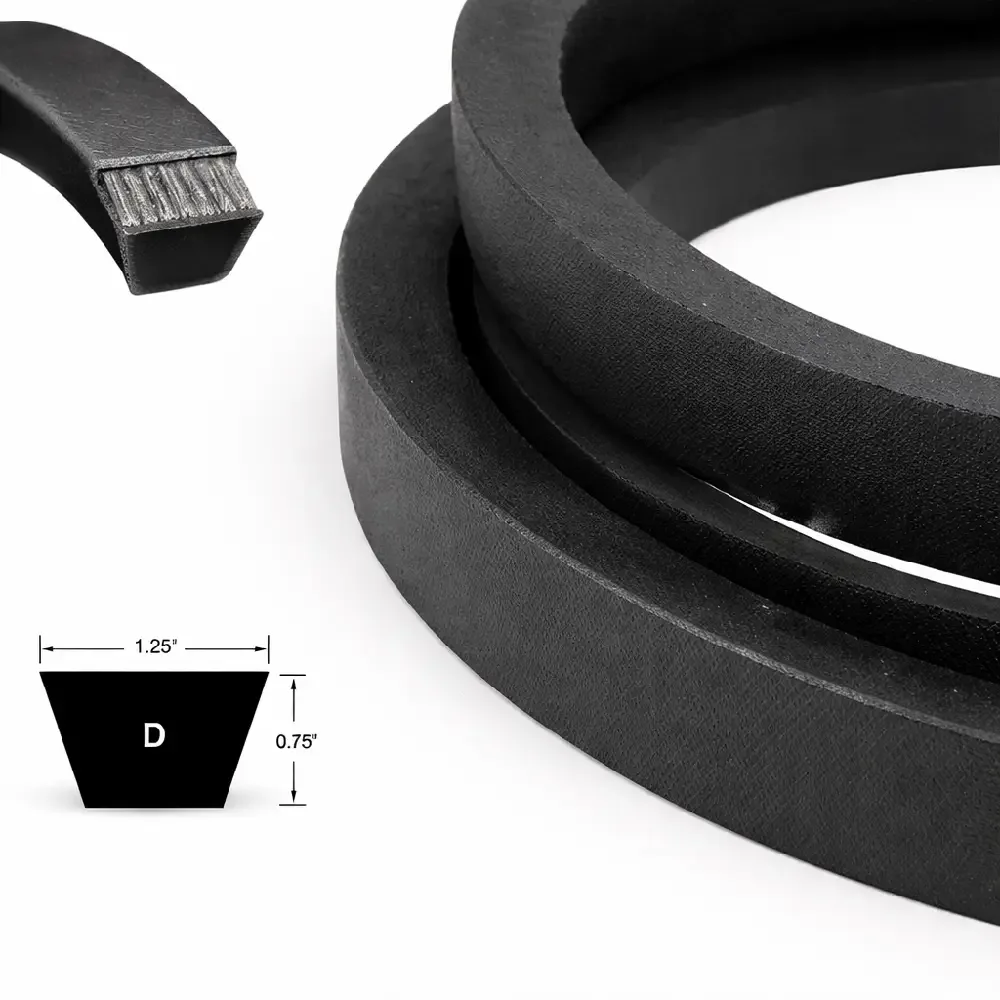
Explore our range of high-quality V Belts for various agricultural machinery. Designed for efficient power transmission and durability in demanding farm conditions.
V Belts
Subcategories
V Belts are essential components in a wide array of agricultural machinery, including tractors, harvesters, threshers, and irrigation pumps. They are crucial for transmitting power from the engine to various operational parts, ensuring smooth and efficient functioning of your equipment. At Agricart, we offer a comprehensive selection of V Belts, manufactured from robust materials like synthetic rubber and reinforced with high-strength cords, providing excellent resistance to wear, heat, and stretching. Our V Belts are available in various profiles (e.g., A, B, C, D, Z) and lengths to match specific machinery requirements, ensuring optimal performance and longevity for your farming operations. Trust Agricart for reliable V Belts that keep your agricultural equipment running at its best.
Always refer to your machinery's owner's manual for the correct V Belt specifications. Ensure proper tensioning during installation to prevent slippage and premature wear. Regularly inspect belts for cracks, fraying, or glazing and replace them as needed. Avoid over-tightening, which can damage bearings and shafts. Store belts in a cool, dry place away from direct sunlight and chemicals.
Efficient power transmission, enhanced durability, reduced maintenance costs, improved machinery performance, wide range of applications, resistance to heat and wear.
Incorrect belt size or tension can lead to equipment damage and inefficiency. Do not operate machinery with damaged or worn-out V Belts. Always use appropriate safety gear during installation and maintenance. Avoid contact with oil and grease, which can degrade belt material.
When purchasing V Belts, consider the profile (e.g., A, B, C), length, and material suitable for your specific agricultural machinery. Check your equipment's manual for recommended specifications. Measure your existing belt if possible, or consult with our experts for guidance. Look for belts from reputable manufacturers known for quality and durability.
V Belts are generally classified under rubber transmission belts. Ensure accurate declaration of material composition and intended use for smooth customs clearance. May be subject to standard import duties and taxes.
Importers should verify compliance with local quality standards and certifications. Proper documentation including origin certificates and material specifications is crucial. Consider lead times for international shipping.
Exporters must adhere to international shipping regulations and packaging standards. Provide comprehensive product details and HS codes for destination country customs. Ensure proper labeling for safe transit.
4010.32
- What types of V Belts does Agricart offer?
- Agricart offers a wide range of V Belts, including classical V belts (A, B, C, D, Z profiles) and cogged V belts, suitable for various agricultural machinery and industrial applications.
- How do I choose the correct V Belt size for my equipment?
- To choose the correct V Belt size, refer to your machinery's owner's manual for specifications. You can also measure the length and profile of your existing belt. If unsure, contact our customer support with your machinery details for assistance.
- What is the lifespan of a V Belt?
- The lifespan of a V Belt depends on usage, maintenance, and operating conditions. With proper installation, tensioning, and regular inspection, a high-quality V Belt can last for several years. However, severe conditions or improper use can shorten its life.
- Can I use any V Belt for my agricultural machinery?
- No, it is crucial to use V Belts that match the specific profile, length, and material requirements of your agricultural machinery. Using an incorrect belt can lead to poor performance, increased wear, and potential damage to your equipment.
- How often should I inspect my V Belts?
- It is recommended to inspect your V Belts regularly, ideally before each major operation or at least monthly during peak seasons. Look for signs of wear such as cracks, fraying, glazing, or hardening. Replace belts at the first sign of significant damage.