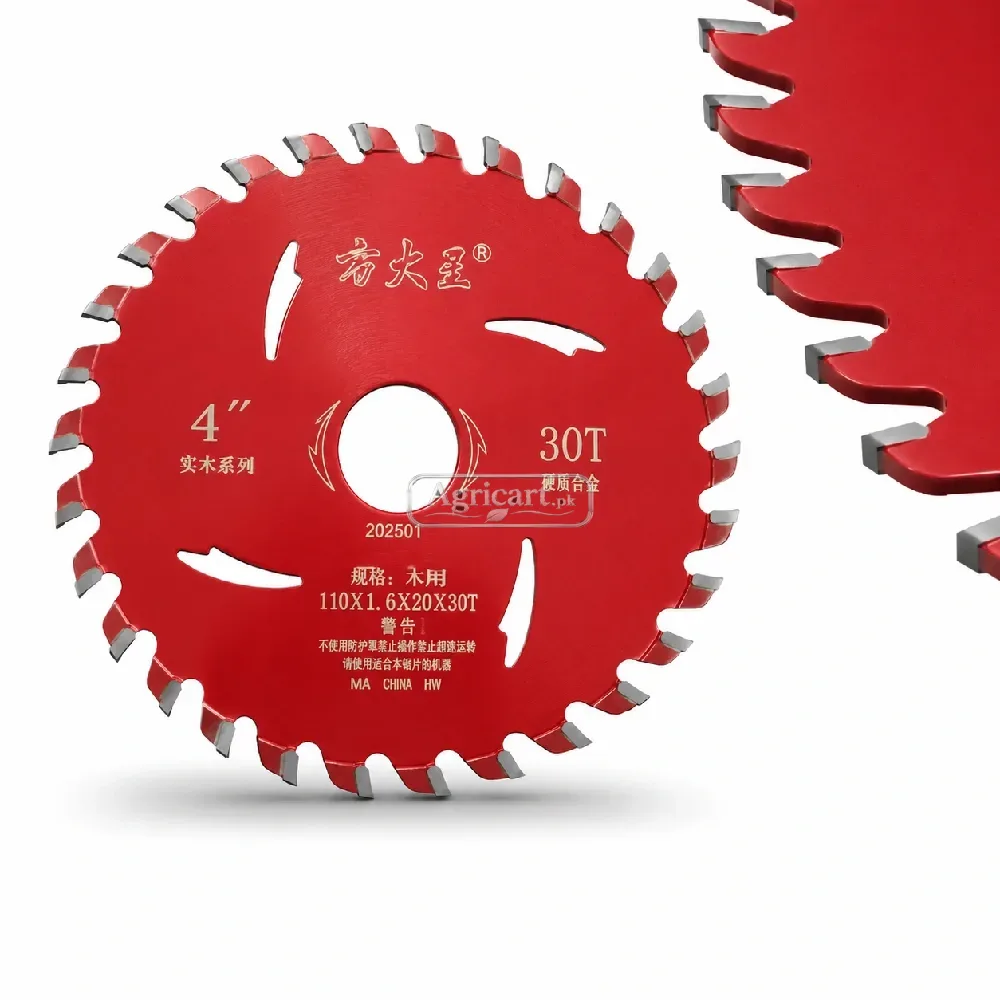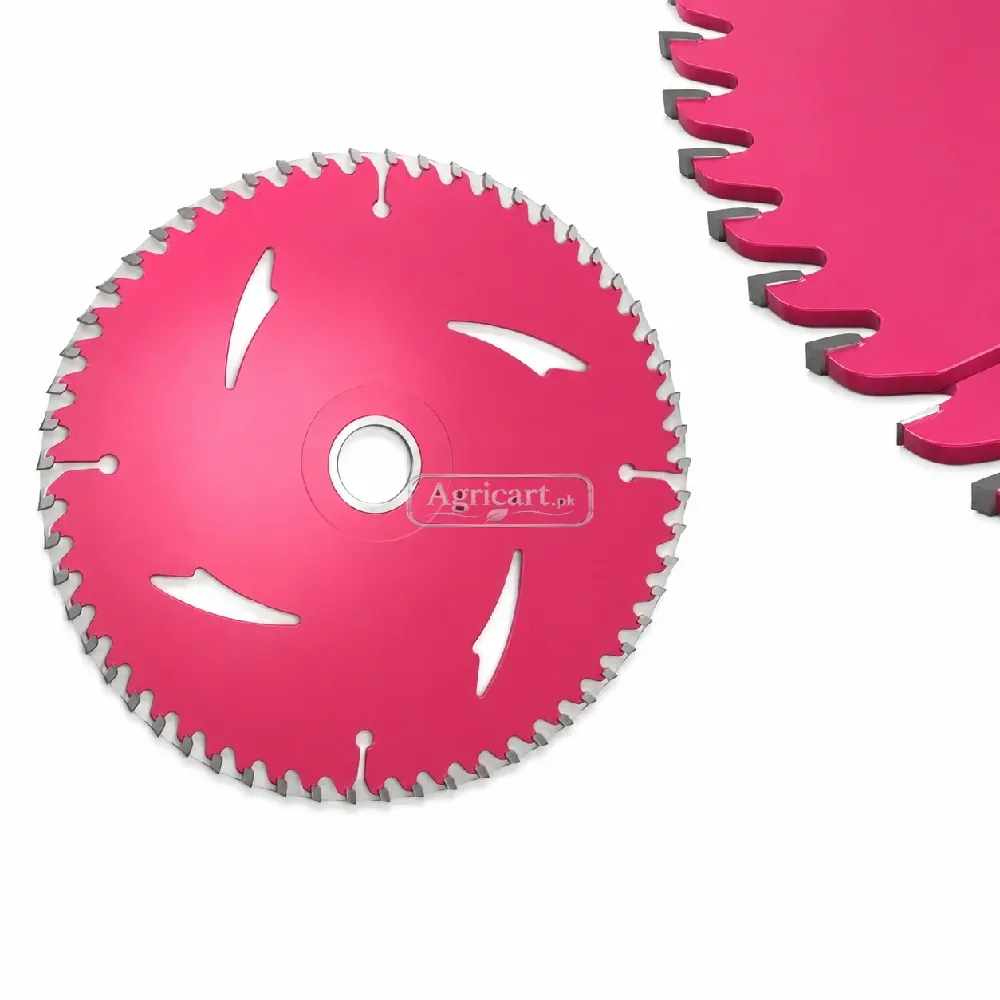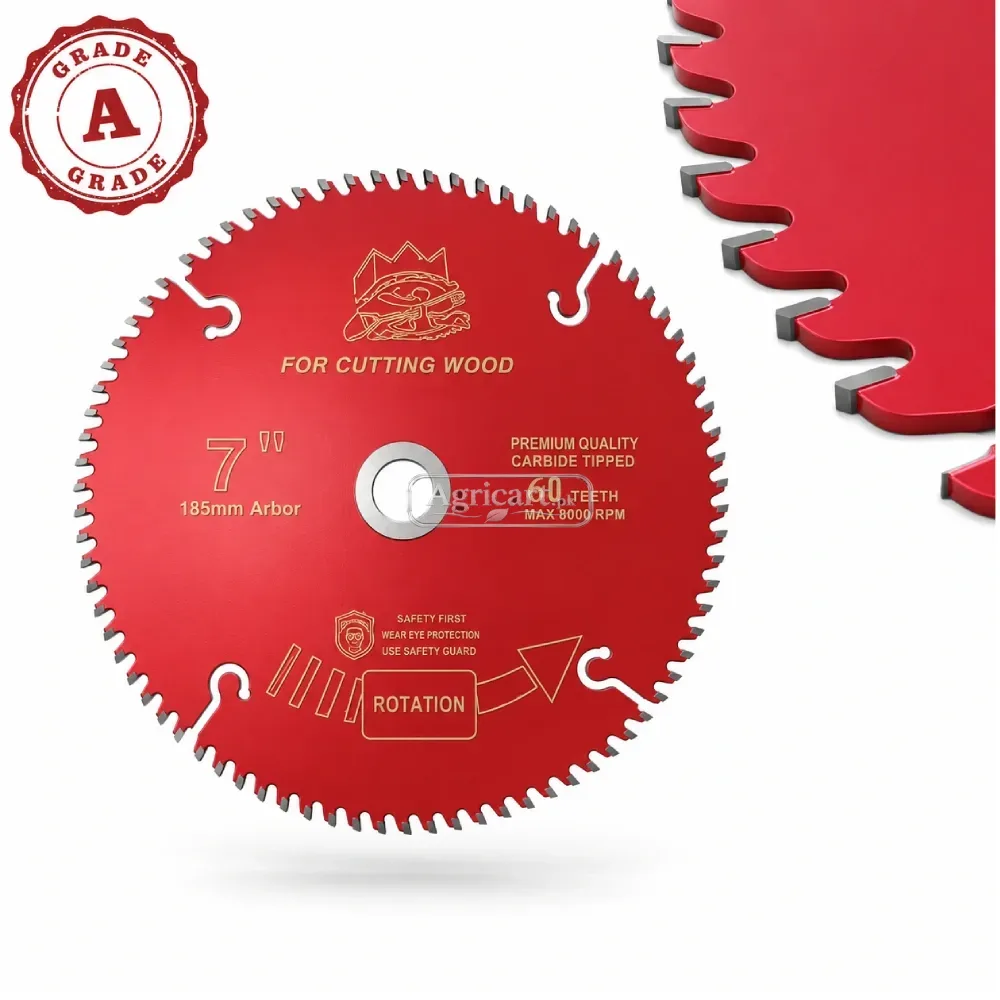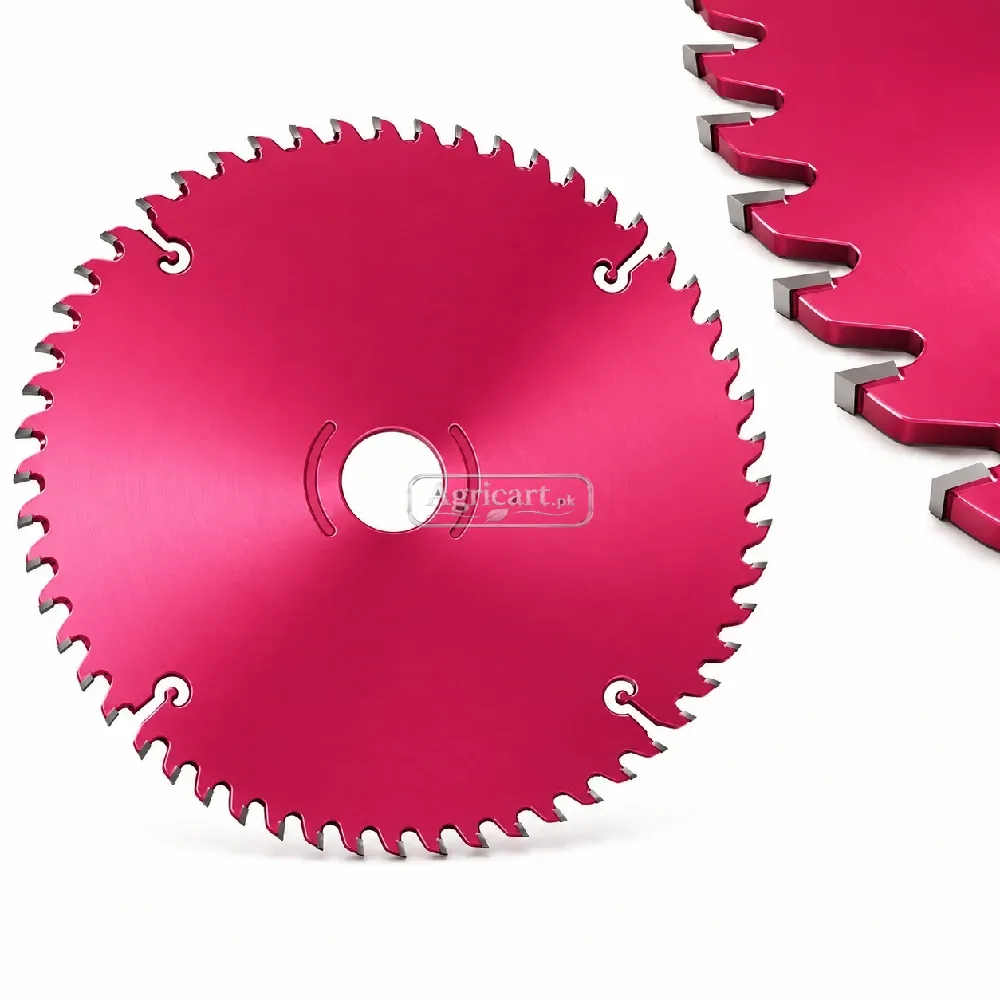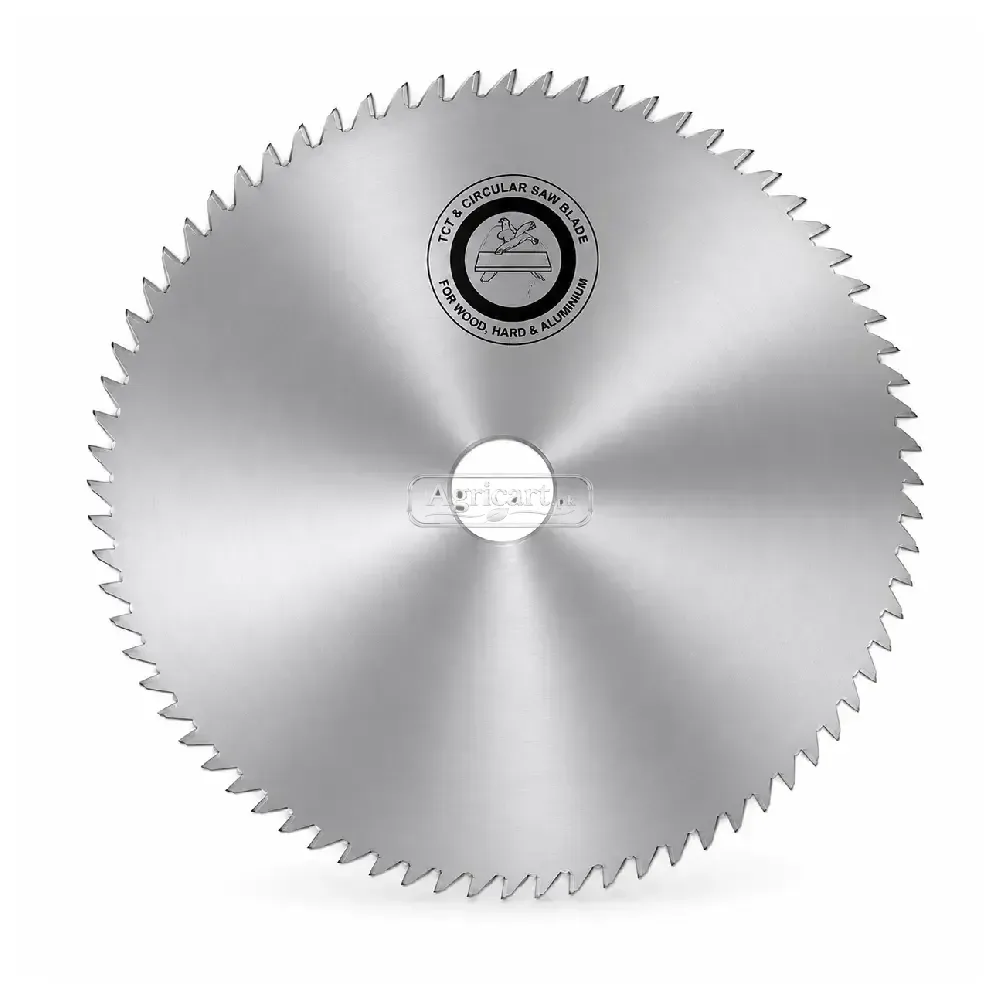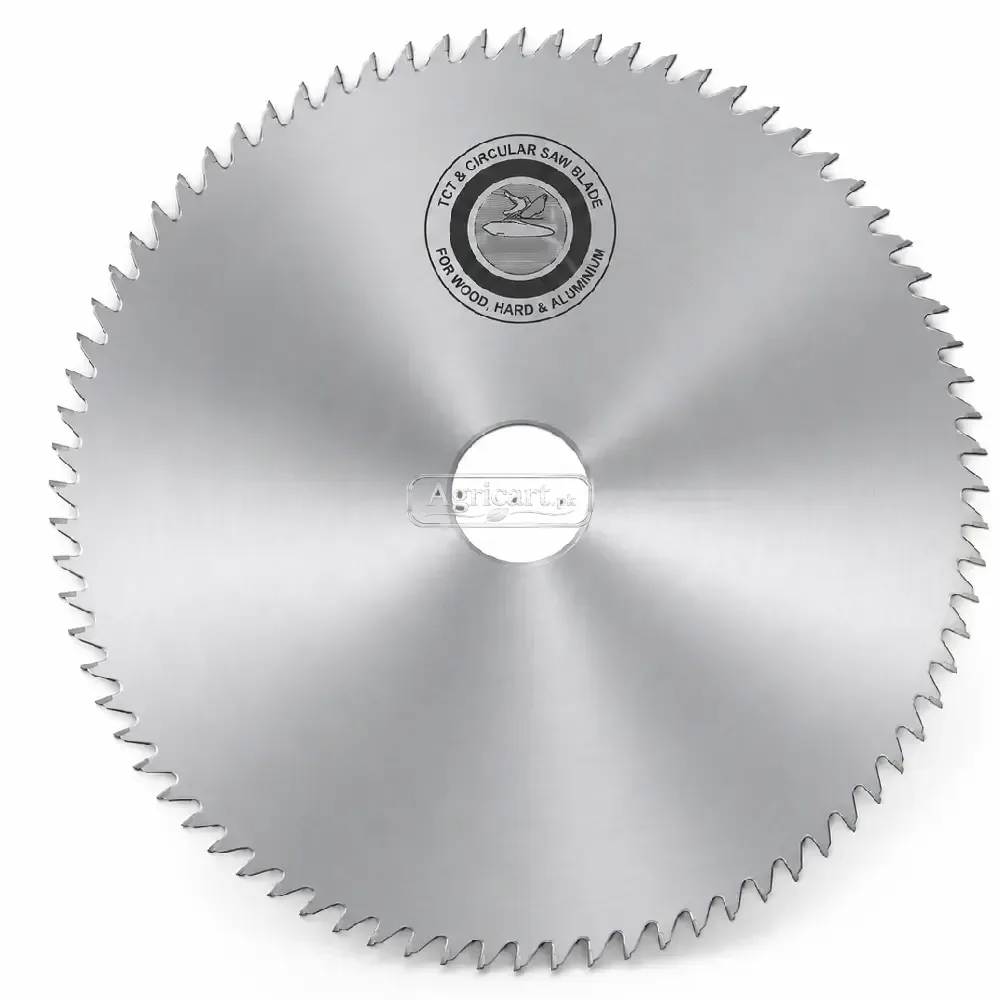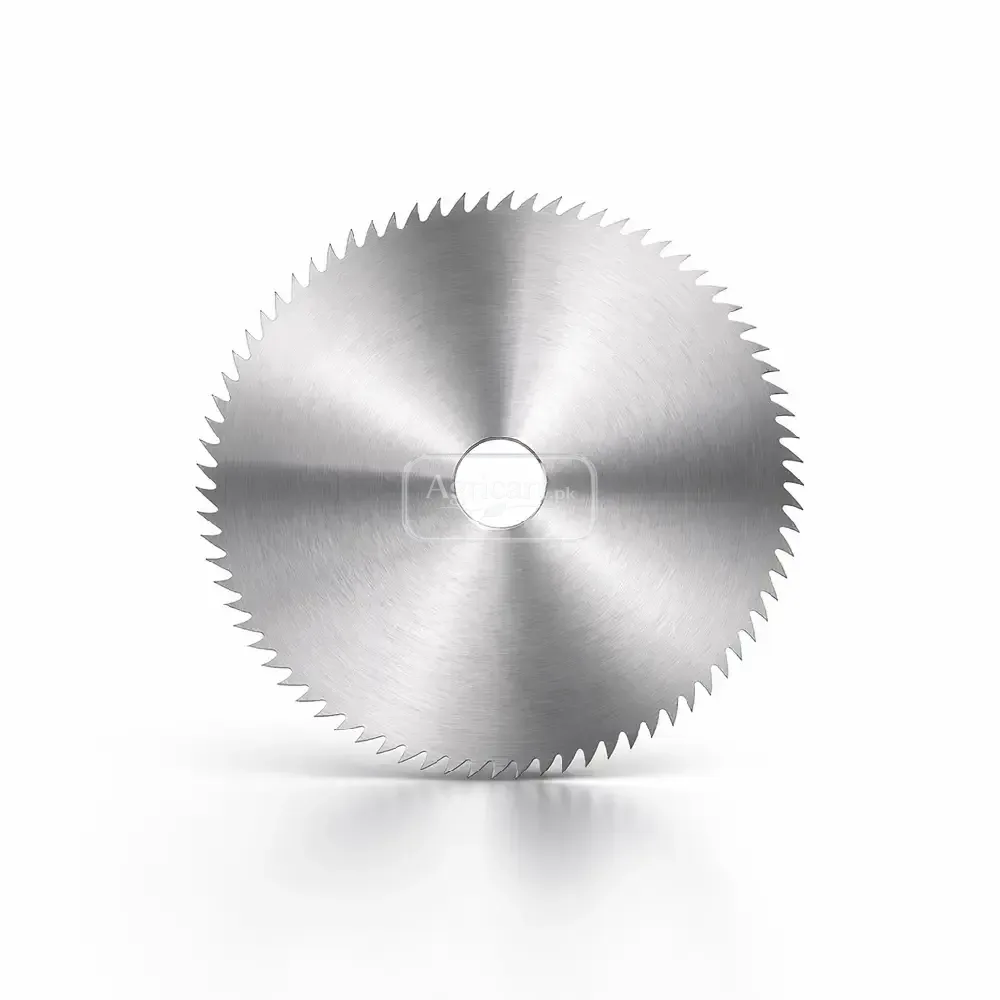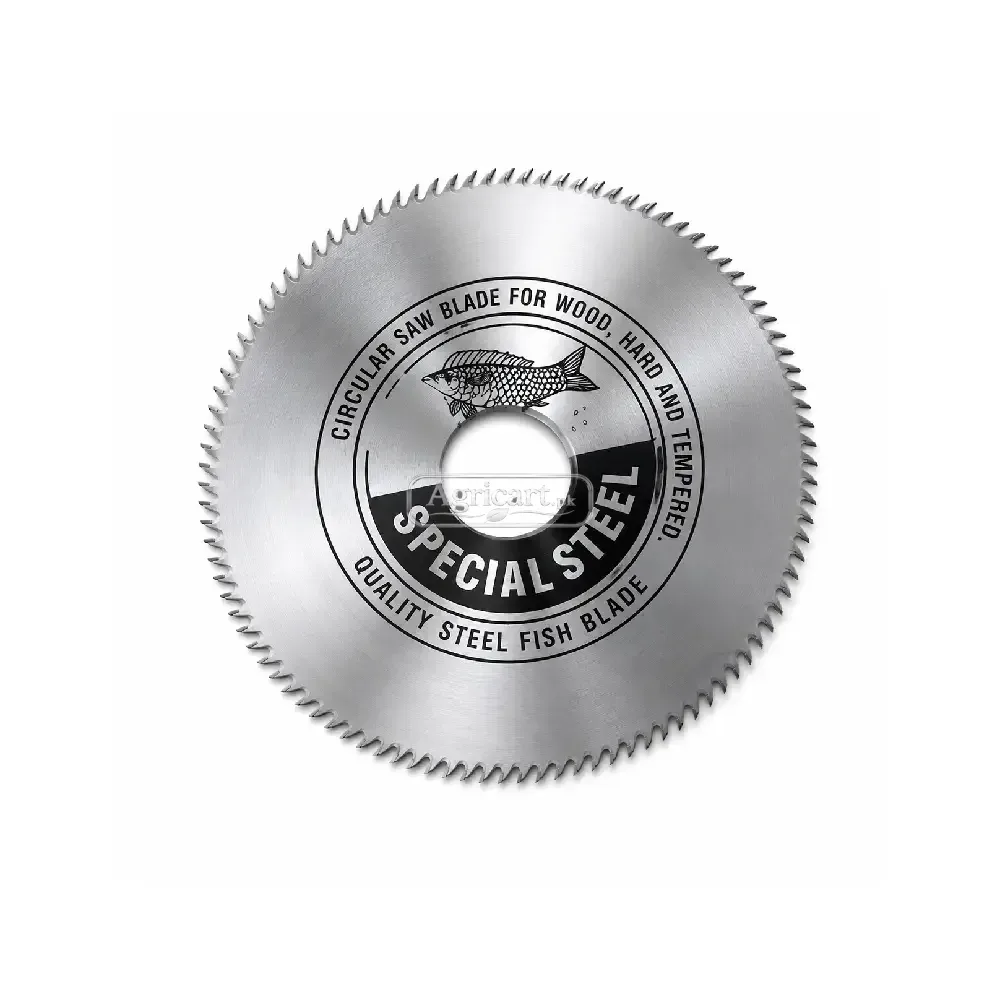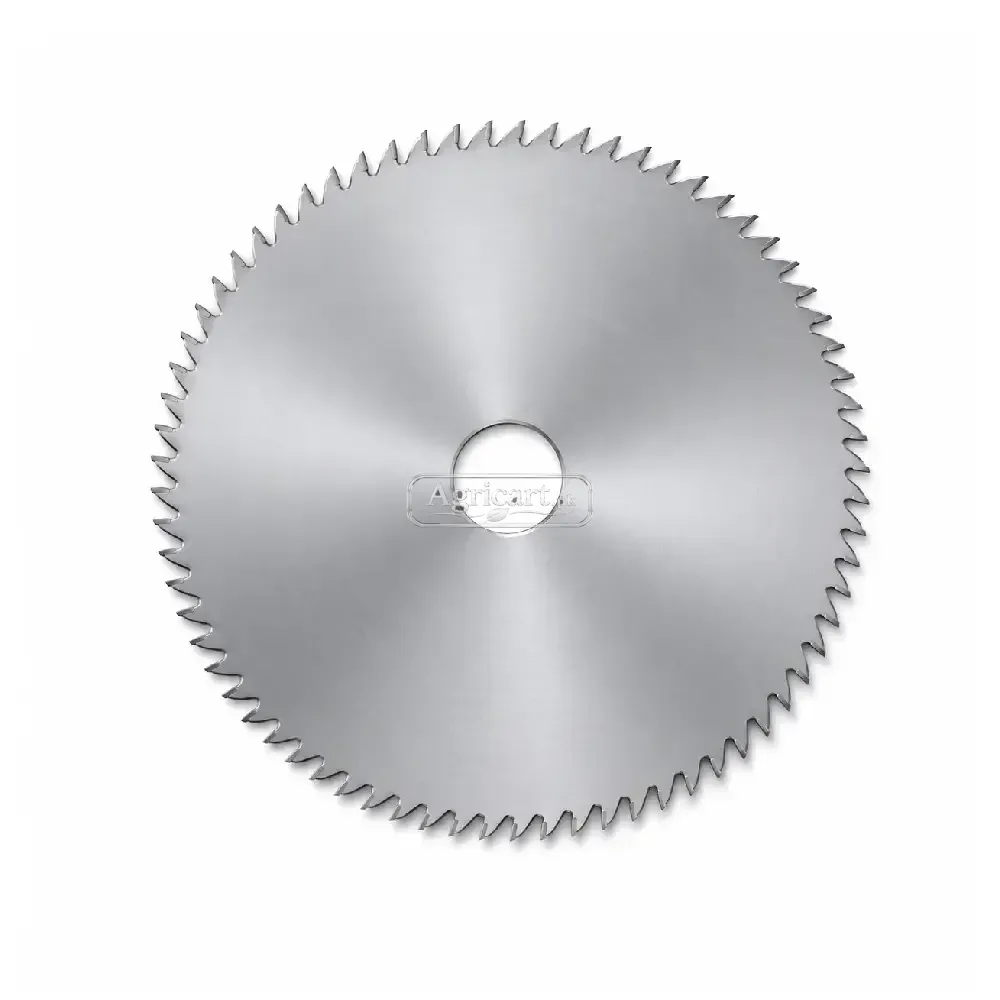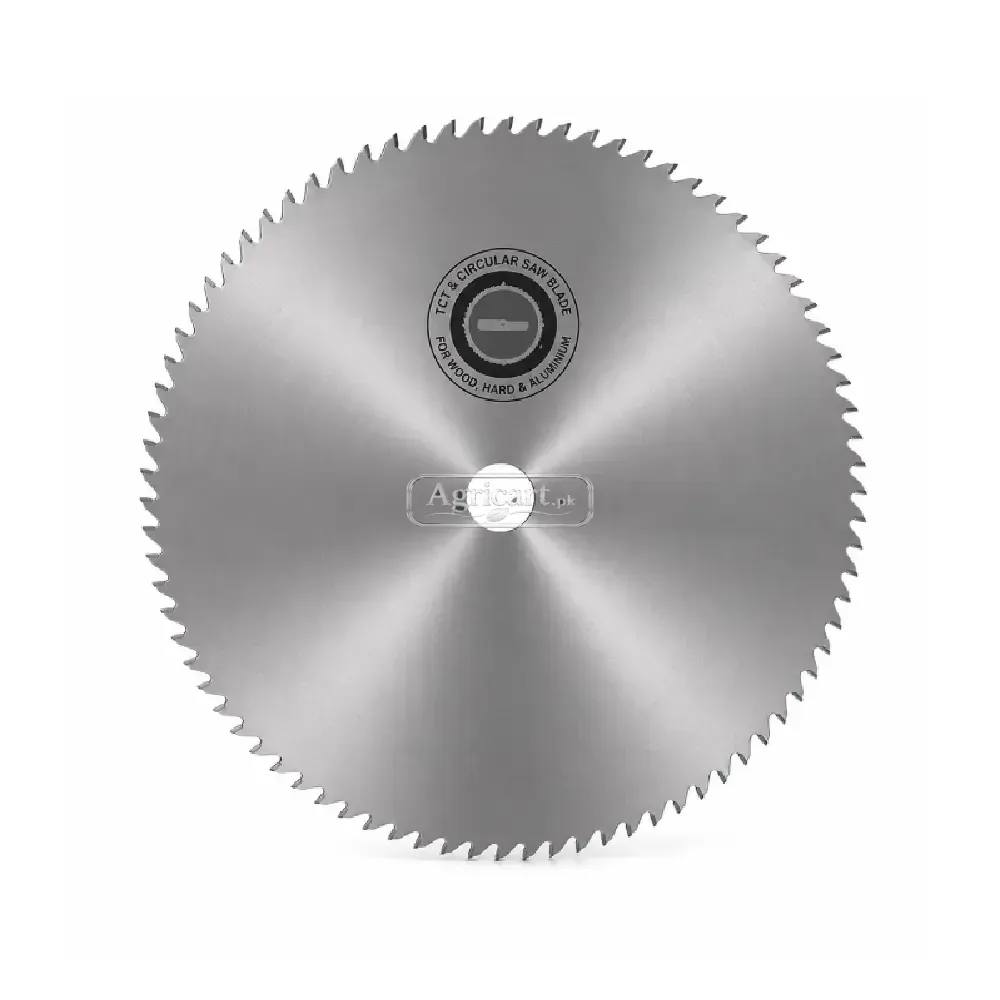

High-quality TCT (Tungsten Carbide Tipped) saw blades designed for efficient and precise wood cutting in various applications, from construction to DIY projects. Available in multiple sizes and tooth counts.
Agricart offers a comprehensive range of Wood Cutting Blades, featuring durable TCT construction for superior performance and longevity. These blades are engineered to deliver clean, fast, and accurate cuts in various wood types, including hardwood, softwood, plywood, and MDF. With options ranging from 5 to 9 inches in diameter and varying tooth counts (e.g., 50, 60 teeth), you can find the perfect blade for your specific cutting needs. Ideal for circular saws, miter saws, and table saws, our wood cutting blades are essential tools for carpenters, woodworkers, and agricultural professionals in Pakistan.
Always select the correct blade size and tooth count for your specific wood type and cutting application. Ensure the blade is securely mounted on your saw before operation. Wear appropriate safety gear, including eye protection, gloves, and hearing protection. Disconnect power before changing blades. Keep blades clean and sharp for optimal performance and safety.
Our wood cutting blades offer exceptional durability, precise cuts, and extended tool life thanks to their TCT construction. They reduce splintering and provide smooth finishes, saving time on post-cutting finishing. The variety of sizes and tooth configurations allows for versatility across different projects, enhancing efficiency and productivity for both professional and DIY users.
Never operate a damaged or dull blade. Do not exceed the maximum RPM specified on the blade. Always ensure the workpiece is firmly secured. Avoid cutting nails, screws, or other foreign objects embedded in the wood, as this can damage the blade and cause injury. Keep hands clear of the blade during operation.
When selecting a wood cutting blade, consider the type of wood you'll be cutting (hardwood, softwood, engineered wood), the desired finish (rough cut vs. fine finish), and your saw type. Blades with fewer teeth are generally for faster, rougher cuts, while blades with more teeth provide smoother, finer finishes. Ensure the blade's arbor size matches your saw. For general-purpose cutting, a 60-tooth TCT blade is often a good starting point.
Tungsten carbide tipped saw blades are classified under heading 8202.31.00. Standard import duties and taxes apply as per Pakistan Customs regulations. Ensure proper documentation for declaration.
Importers should verify compliance with PSQCA (Pakistan Standards and Quality Control Authority) standards for power tool accessories. Ensure blades meet safety and performance specifications. Proper labeling and packaging are required.
Exporters must adhere to international shipping regulations for sharp tools. Proper packaging to prevent damage and injury during transit is crucial. Provide accurate HS codes and product descriptions for customs clearance in destination countries.
- What does TCT stand for?
- TCT stands for Tungsten Carbide Tipped. These blades have carbide tips brazed onto each tooth, making them much harder and more durable than standard steel blades, ideal for cutting wood.
- How do I choose the right tooth count for my wood cutting blade?
- Fewer teeth (e.g., 24-40) are best for fast, rough cuts and ripping wood along the grain. More teeth (e.g., 60-80) are ideal for smoother, finer cross-cuts and plywood. For general-purpose work, a 60-tooth blade offers a good balance.
- Can these blades cut other materials besides wood?
- These blades are specifically designed for wood. Using them on other materials like metal, plastic, or masonry can damage the blade, reduce its lifespan, and pose a safety risk. Always use the appropriate blade for the material you are cutting.
- How do I maintain my wood cutting blades?
- Regularly clean your blades to remove sap and resin buildup, which can affect cutting performance. Use a blade cleaner or warm soapy water. Store blades properly to prevent damage to the teeth. Sharpen dull blades professionally or replace them.