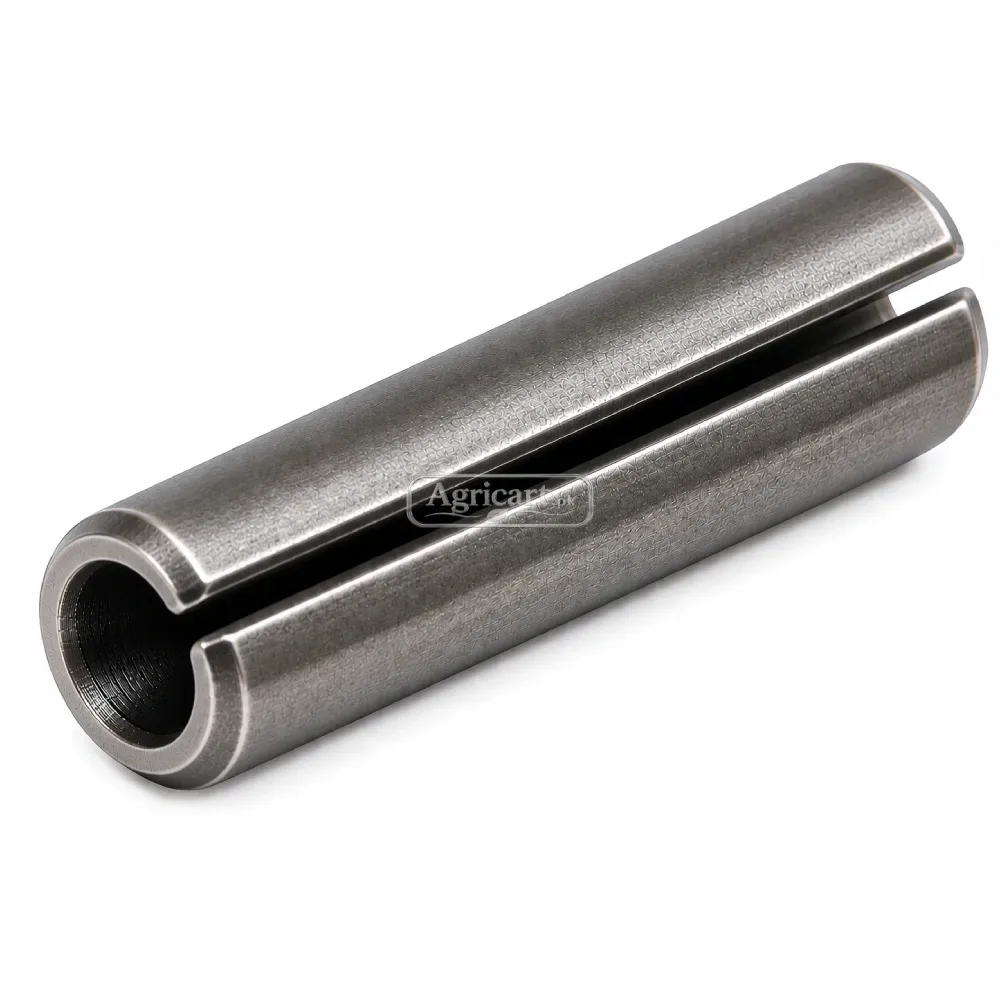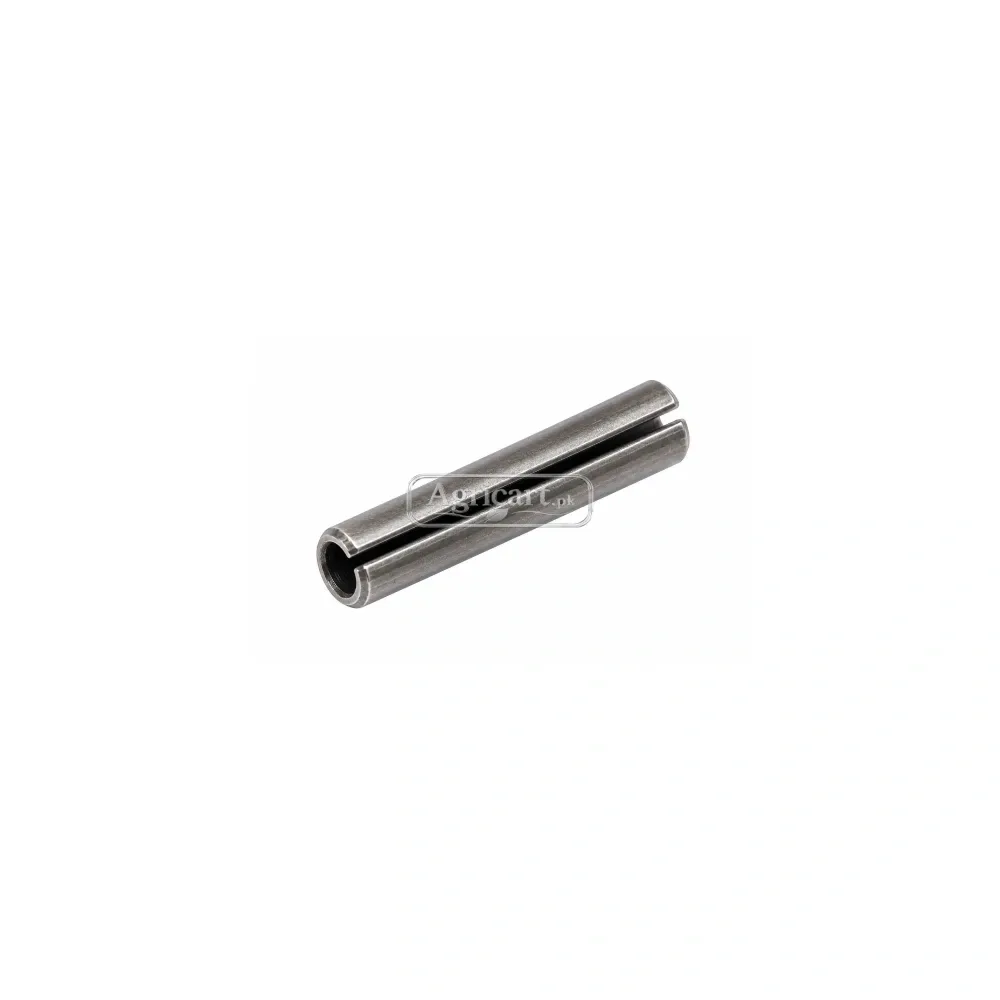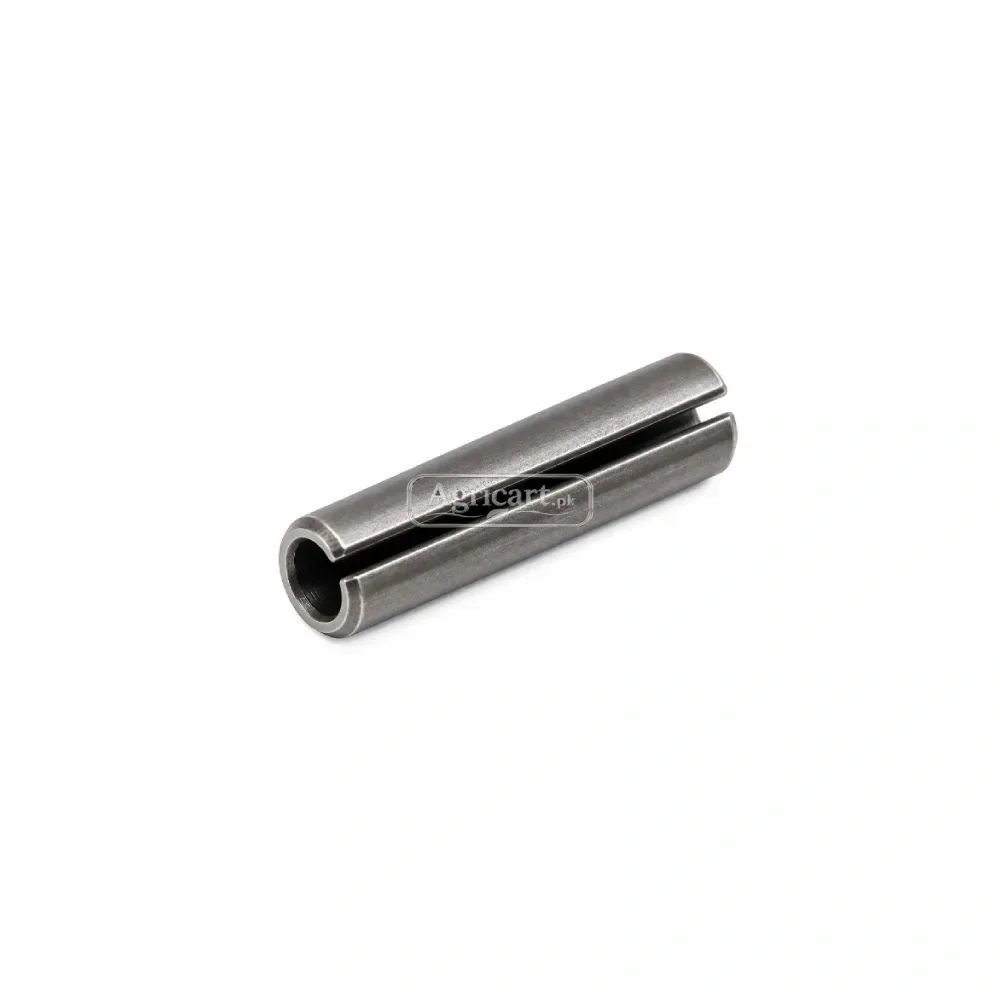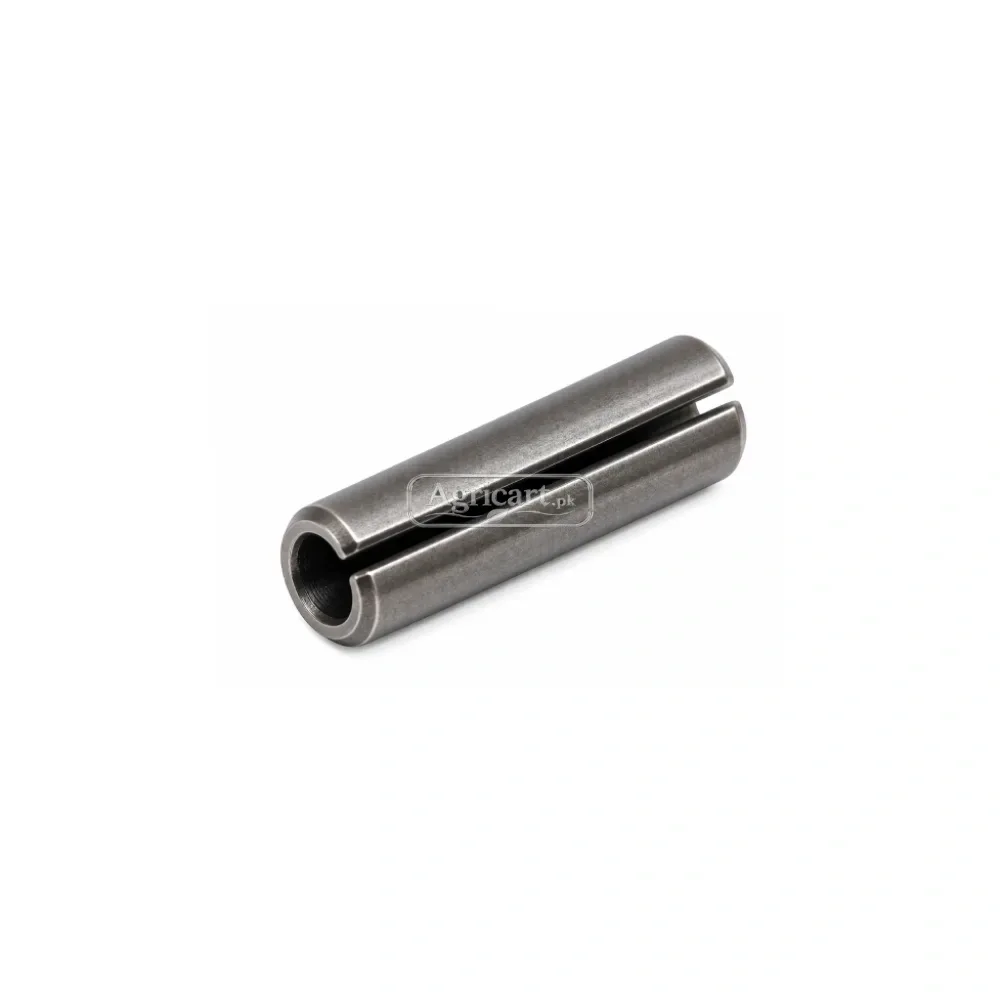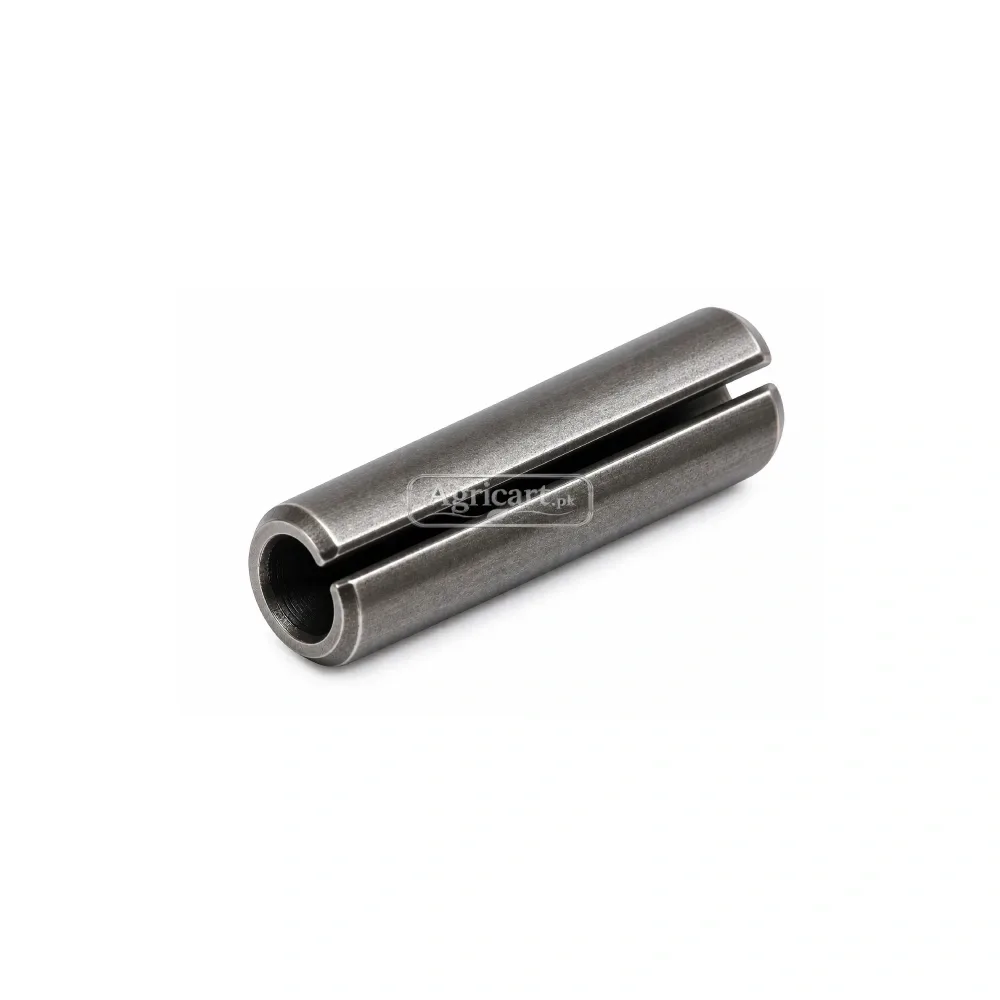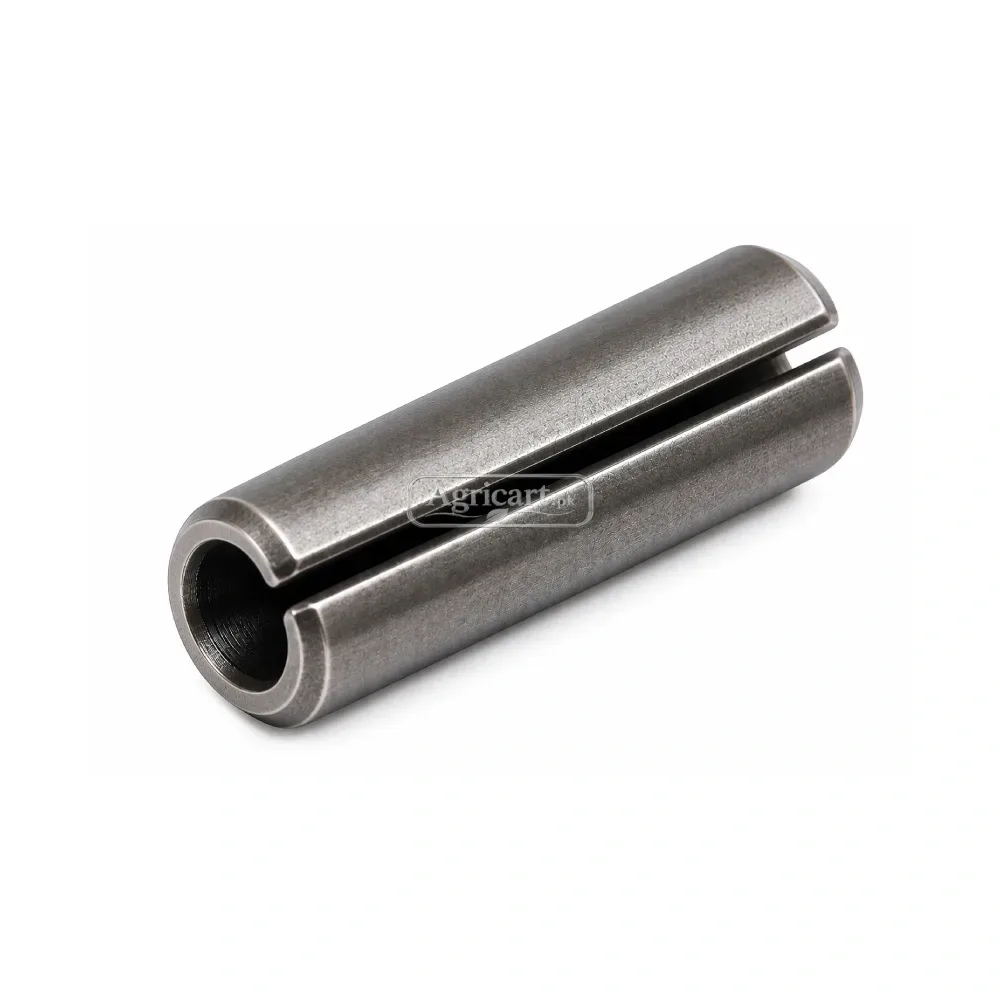
Durable and versatile slotted spring pins, also known as roll pins or tension pins, designed for secure fastening and alignment in various mechanical applications. Available in multiple sizes and materials.
Slotted spring pins are cylindrical, hollow fasteners with a longitudinal slot that allows them to compress when inserted into a hole. This compression creates radial tension, providing a secure, vibration-resistant fit without the need for additional locking mechanisms. They are widely used in agricultural machinery, automotive parts, electronics, and general engineering for pivoting, locating, and fastening components. Our selection includes pins made from high-quality spring steel and stainless steel, ensuring excellent durability and corrosion resistance.
Select the correct diameter and length for your application. Drill a hole of the appropriate size (slightly smaller than the pin's nominal diameter) for a snug fit. Use a hammer or press to insert the pin, ensuring it is flush or recessed as required. Always wear appropriate safety gear, including eye protection, during installation.
Provides a strong, vibration-resistant connection. Easy to install and remove. Cost-effective fastening solution. Eliminates the need for reaming or secondary operations. Available in various materials for different environmental conditions. Reusable in many applications.
Do not use oversized pins, as this can damage the components. Ensure the hole is clean and free of debris before insertion. Avoid excessive force during installation, which can deform the pin or surrounding material. Not suitable for high shear load applications where solid dowel pins are required.
Consider the material (spring steel for general use, stainless steel for corrosion resistance), diameter, and length required for your specific application. Check the shear strength and temperature resistance if your application involves extreme conditions. For bulk orders, inquire about quantity discounts. Ensure compatibility with existing components.
Slotted spring pins are classified under HS Code 7318.24.00 for 'Cotters and cotter-pins'. Ensure proper documentation for material composition and origin for smooth customs clearance.
Importers should verify compliance with local quality standards and material specifications. A valid import license may be required. Check for any specific duties or taxes applicable to fasteners.
Exporters must ensure packaging meets international shipping standards to prevent damage. Provide accurate HS codes and product descriptions for customs declarations. Compliance with destination country regulations is crucial.
- What is a slotted spring pin used for?
- Slotted spring pins are primarily used for fastening, pivoting, and locating components in various mechanical assemblies, including agricultural machinery, automotive parts, and industrial equipment. They provide a secure, vibration-resistant connection.
- What is the difference between a slotted spring pin and a solid dowel pin?
- A slotted spring pin is hollow and compresses when inserted, providing a friction fit that resists vibration. A solid dowel pin is solid and typically requires a reamed hole for a precise, tight fit, often used for higher shear loads and precise alignment.
- What materials are slotted spring pins made from?
- Common materials include high-carbon spring steel for strength and durability, and stainless steel for excellent corrosion resistance, especially in harsh environments.
- How do I choose the right size slotted spring pin?
- Measure the diameter of the hole where the pin will be inserted. The nominal diameter of the spring pin should be slightly larger than the hole diameter to ensure a secure friction fit. The length should be appropriate for the components being joined.
- Can slotted spring pins be reused?
- Yes, in many applications, slotted spring pins can be reused, especially if they are removed carefully and show no signs of deformation or damage. However, for critical applications, it's often recommended to use new pins.