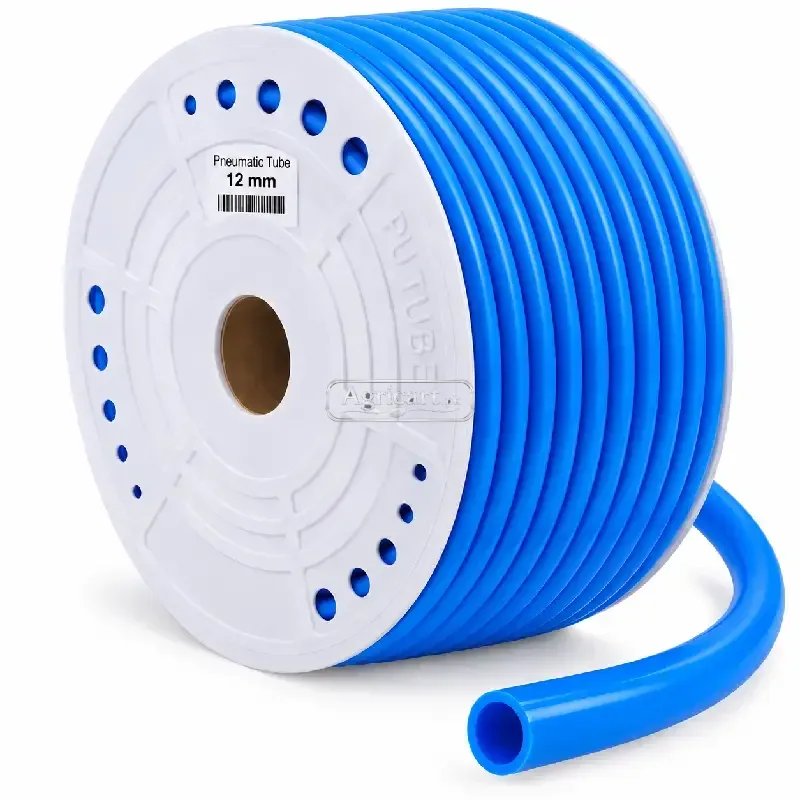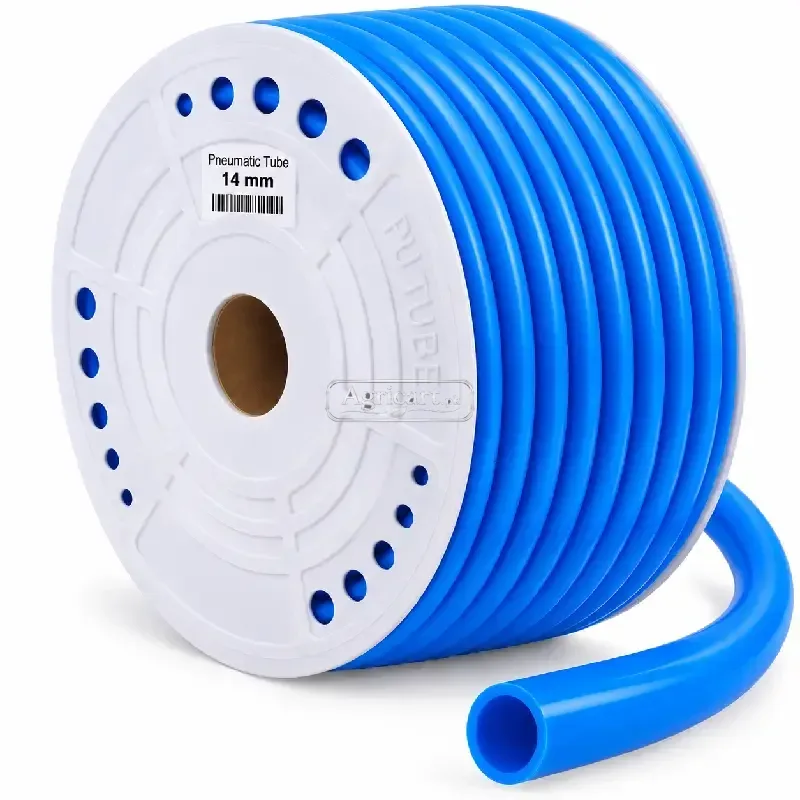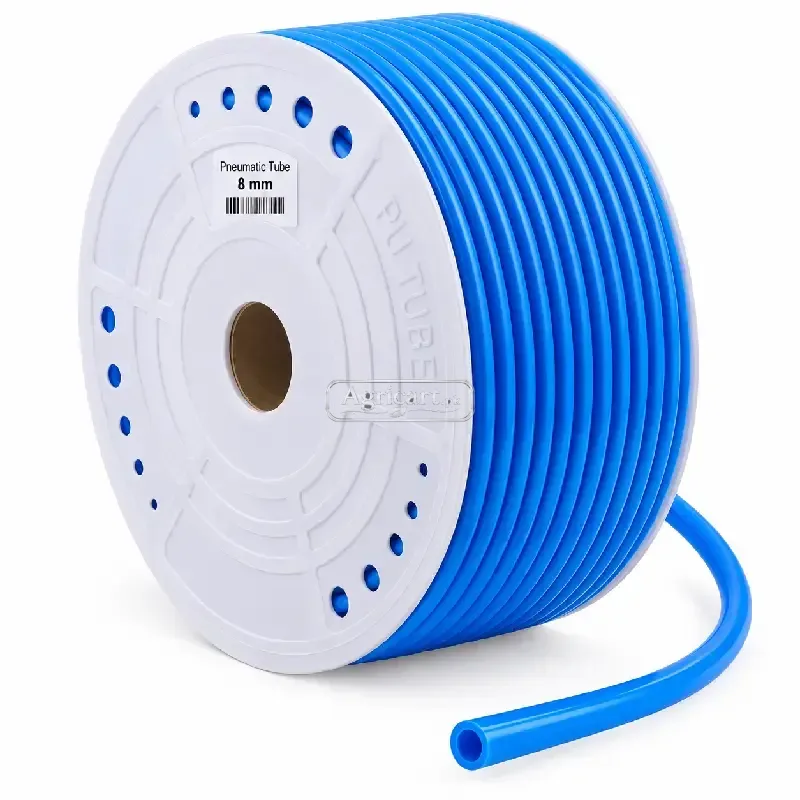
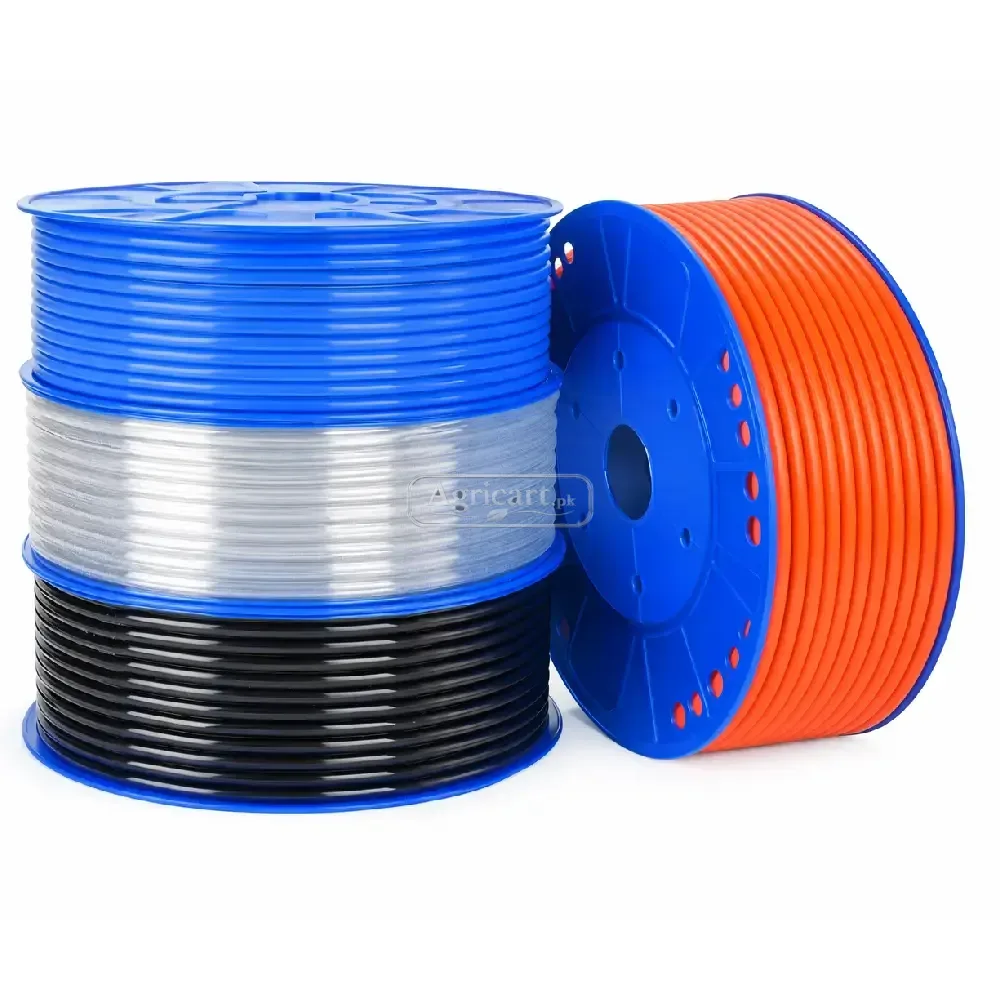
High-quality pneumatic pipes for efficient and reliable compressed air systems in agriculture and industrial applications. Available in various sizes and materials.
Pneumatic Pipe
Agricart offers a comprehensive range of pneumatic pipes designed for optimal performance in diverse agricultural and industrial settings. These pipes are crucial for conveying compressed air to operate various machinery, tools, and irrigation systems. Manufactured from durable materials such as PU (Polyurethane), PE (Polyethylene), and Nylon, our pneumatic pipes ensure excellent flexibility, resistance to abrasion, chemicals, and high pressure. They are ideal for applications requiring precise air control and robust connectivity, contributing to enhanced operational efficiency and reduced maintenance needs.
Select the appropriate pipe material and diameter based on pressure requirements, temperature, and environmental conditions. Ensure proper cutting and fitting with compatible connectors to prevent leaks. Avoid kinks and sharp bends during installation. Regularly inspect for wear, damage, or leaks and replace as necessary.
When selecting pneumatic pipes, consider the following: 1. **Material:** PU for flexibility, PE for cost-effectiveness, Nylon for high pressure and temperature. 2. **Diameter:** Match the inner and outer diameter to your existing fittings and air flow requirements. 3. **Pressure Rating:** Ensure the pipe's pressure rating exceeds your system's maximum operating pressure. 4. **Length:** Purchase sufficient length to avoid unnecessary joints. 5. **Color:** Choose colors for easy identification of different lines.
Pneumatic pipes are generally classified under plastics articles. Ensure proper declaration of material composition (PU, PE, Nylon) and intended use for accurate customs assessment. Compliance with local import regulations for industrial and agricultural components is essential.
Importers should verify the specific material composition and technical specifications of the pneumatic pipes to ensure they meet local quality and safety standards. Proper documentation including origin certificates and material safety data sheets (MSDS) may be required. Consider lead times for bulk orders.
Exporters must ensure that pneumatic pipes comply with the destination country's import regulations, including labeling, packaging, and technical standards. Provide comprehensive product data sheets and certifications to facilitate smooth customs clearance. Packaging should be robust to withstand transit.
3917.39.00
- What materials are pneumatic pipes made from?
- Pneumatic pipes are typically made from Polyurethane (PU), Polyethylene (PE), or Nylon, each offering different properties regarding flexibility, pressure resistance, and chemical resistance.
- How do I choose the correct size of pneumatic pipe?
- The correct size depends on your system's air flow requirements and the specifications of your connectors and fittings. Always match the inner and outer diameter of the pipe to your existing components.
- Can these pipes be used for water or other liquids?
- While some pneumatic pipes may handle certain liquids, they are primarily designed for compressed air. Using them for other fluids might affect their performance, lifespan, or even lead to system failure. Always check the manufacturer's specifications for compatibility.
- What is the maximum pressure these pipes can withstand?
- The maximum pressure capacity varies significantly depending on the material and diameter of the pipe. Each product listing will specify its maximum operating pressure. It is crucial not to exceed this rating.
- How often should pneumatic pipes be replaced?
- The replacement frequency depends on usage intensity, environmental conditions, and the type of material. Regular inspection for signs of wear, cracks, kinks, or leaks is recommended. Replace pipes immediately if any damage is observed to maintain system integrity and safety.