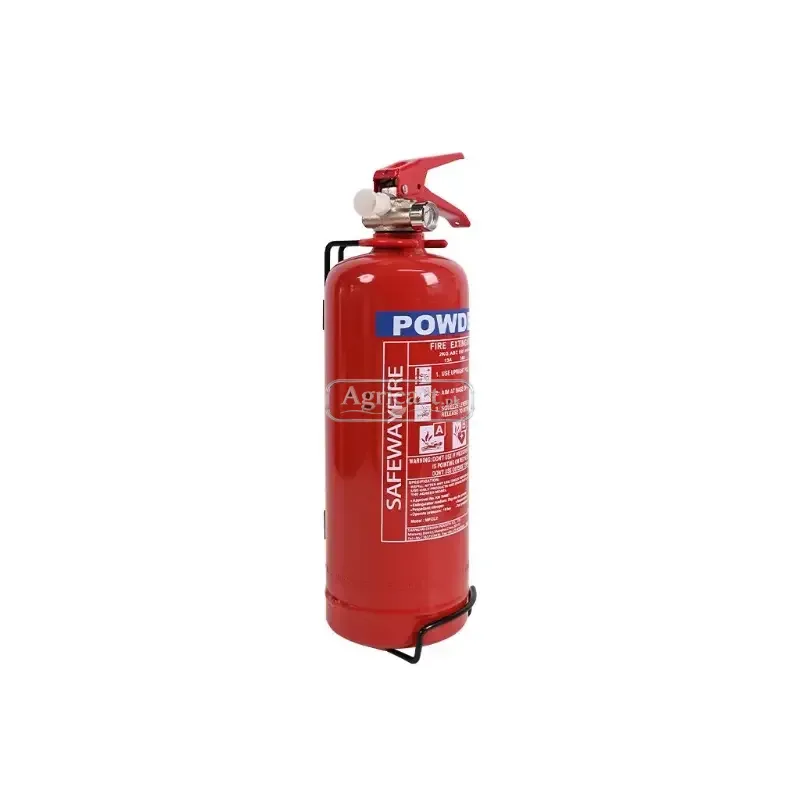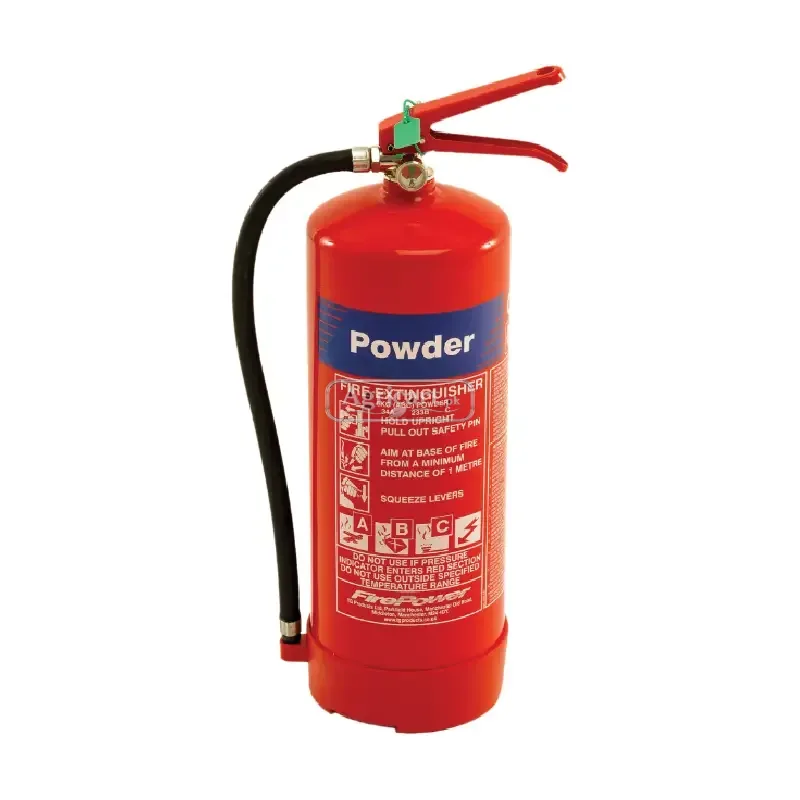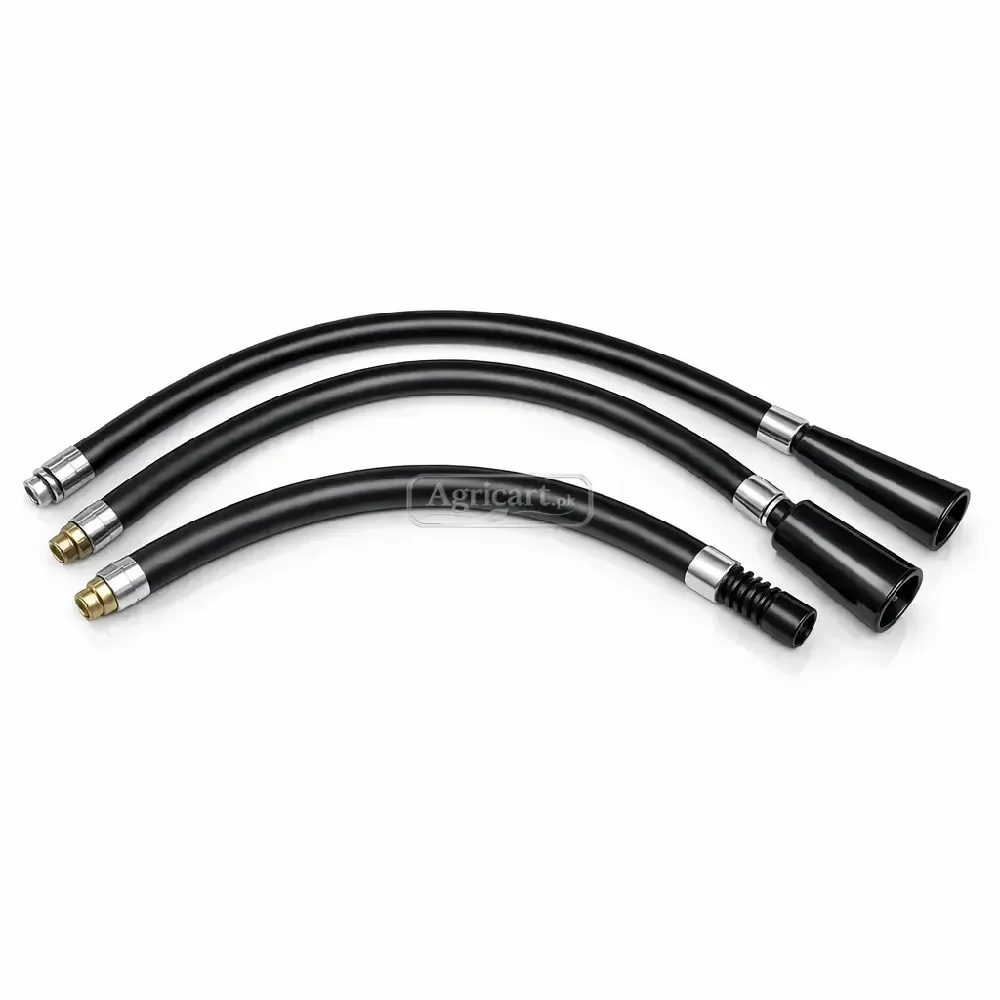
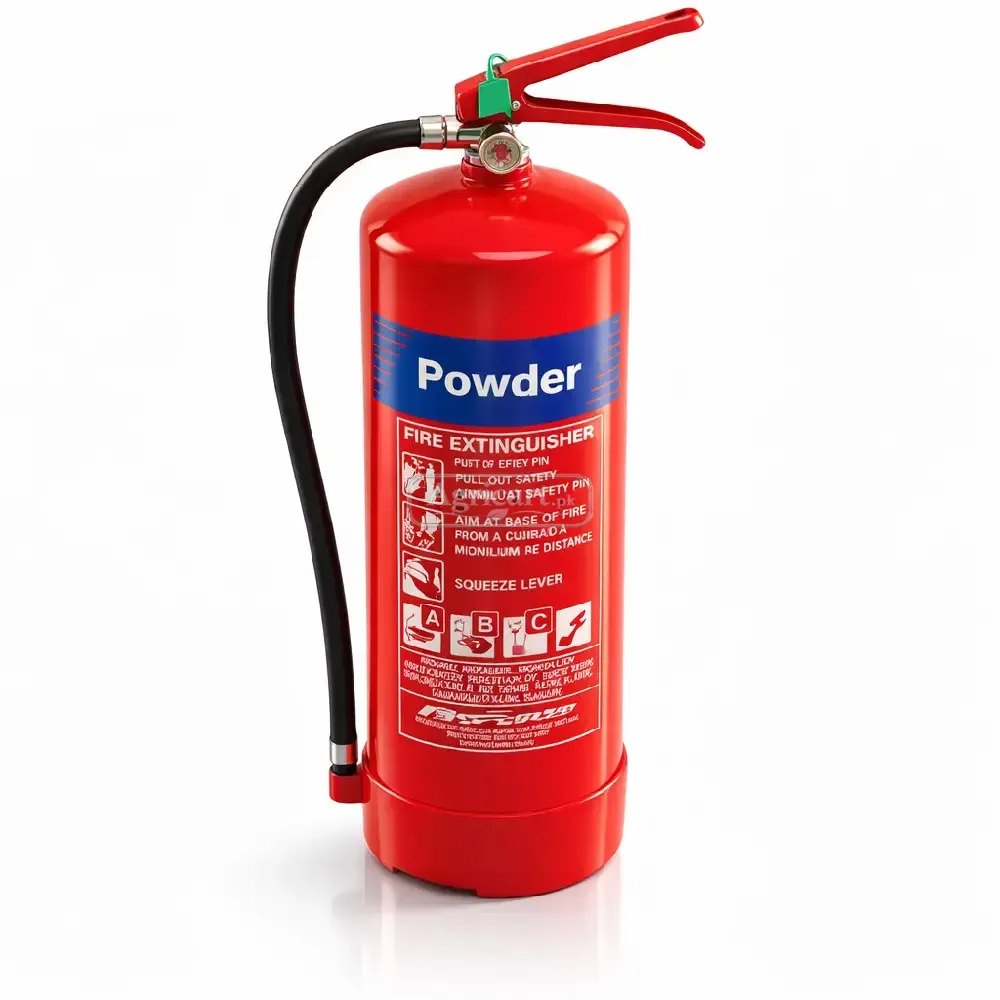
Essential safety equipment for rapidly controlling and extinguishing small fires, protecting lives and property in agricultural and domestic settings.
Fire Extinguisher
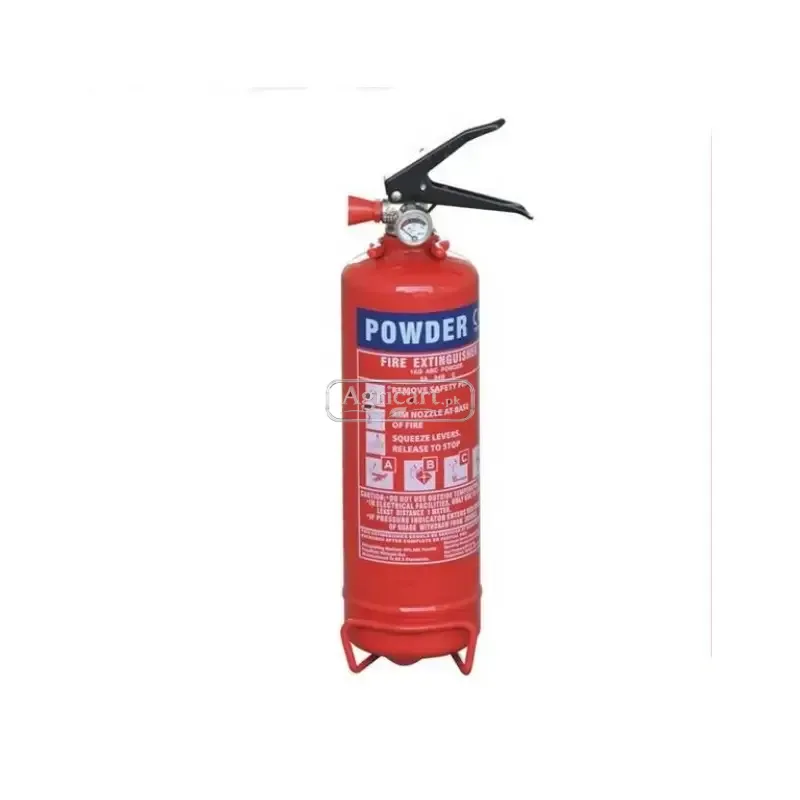
A fire extinguisher is a crucial safety device designed to put out or control small fires, often in emergency situations. It consists of a hand-held cylindrical pressure vessel containing an agent that can be discharged to extinguish a fire. Available in various types (e.g., ABC dry chemical, CO2, water), each suited for different classes of fires. Owning a reliable fire extinguisher is a proactive step towards ensuring safety on farms, in homes, and in commercial spaces, minimizing potential damage and hazards.
Familiarize yourself with the P.A.S.S. method: Pull the pin, Aim at the base of the fire, Squeeze the handle, Sweep from side to side. Ensure the extinguisher is appropriate for the type of fire (e.g., Class A for ordinary combustibles, Class B for flammable liquids, Class C for electrical fires). Always maintain a safe distance and have an escape route. Do not attempt to fight large or rapidly spreading fires; evacuate immediately and call emergency services.
Provides immediate fire suppression, protects lives and property, reduces potential damage, easy to operate for small fires, and offers peace of mind. Essential for compliance with safety regulations in many sectors.
Use only on small, contained fires. Ensure the correct type of extinguisher is used for the fire class. Do not use on electrical fires unless rated for Class C. Do not block your escape route. Always have the extinguisher inspected and serviced regularly. Keep out of reach of children. Improper use can be dangerous.
Consider the types of fire hazards present in your environment (e.g., wood, paper, electrical, flammable liquids). Choose an extinguisher with the appropriate fire class rating (ABC is a common multi-purpose choice). Check the size and weight for ease of handling. Look for reputable brands and ensure it has a valid pressure gauge. Verify the manufacturing date and expiry. Consider professional installation and training for optimal safety.
Fire extinguishers are generally subject to standard import duties and taxes. Specific certifications for safety standards may be required by local authorities. Ensure all necessary documentation is complete for smooth customs clearance.
Importers should verify compliance with Pakistan's safety standards (e.g., PSQCA) and ensure proper labeling. Check for any specific import restrictions or licensing requirements for pressurized containers. Consider lead times for quality inspections.
Exporters must comply with international shipping regulations for pressurized goods. Proper packaging, labeling, and documentation (e.g., Dangerous Goods Declaration) are crucial. Verify import requirements of the destination country.
8424.10.00
- What types of fire extinguishers does Agricart offer?
- Agricart offers a range of fire extinguishers including ABC dry chemical, CO2, and water-based types, suitable for various fire classes common in agricultural and domestic environments.
- How often should a fire extinguisher be inspected?
- Fire extinguishers should be visually inspected monthly for damage, pressure gauge readings, and clear access. A professional inspection and service are recommended annually.
- Can I use an ABC extinguisher on all types of fires?
- ABC dry chemical extinguishers are multi-purpose and effective on Class A (ordinary combustibles), Class B (flammable liquids), and Class C (electrical) fires. However, they are not suitable for Class D (combustible metals) or Class K (cooking oils/fats) fires.
- What is the P.A.S.S. method for using a fire extinguisher?
- P.A.S.S. stands for: Pull the pin, Aim at the base of the fire, Squeeze the handle, and Sweep from side to side. This method helps ensure effective and safe operation.