Efficient and reliable electric PPR heater welding machine for seamless and leak-proof pipe connections in plumbing and irrigation systems. Ideal for agricultural and domestic use.
Electric PPR Heater Welding Machine
Subcategories
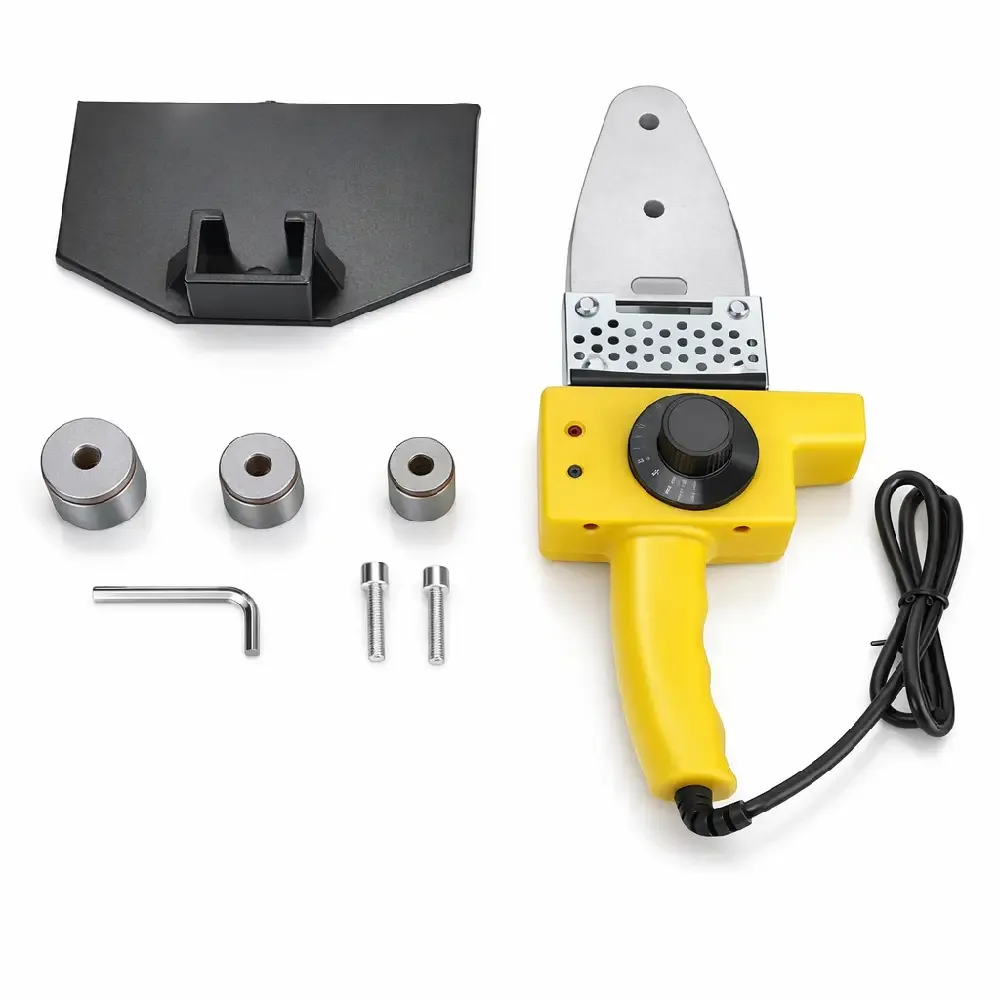
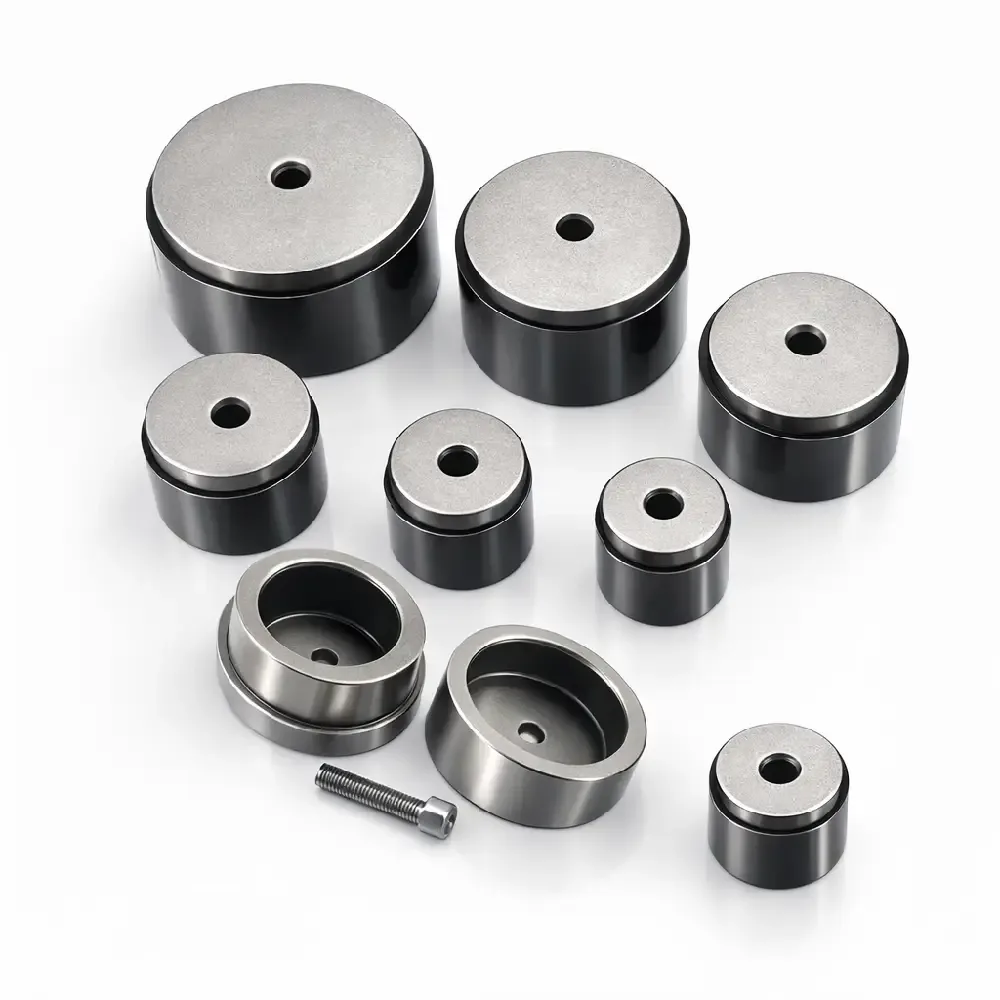
The Electric PPR Heater Welding Machine is an essential tool for anyone working with PPR (Polypropylene Random Copolymer) pipes. This robust and easy-to-use device ensures strong, durable, and leak-proof joints, crucial for effective water distribution in agricultural settings, residential plumbing, and industrial applications. Featuring adjustable temperature control, it allows for precise heating tailored to different pipe diameters and environmental conditions. The machine comes with various welding dies to accommodate common PPR pipe sizes, making it a versatile addition to your toolkit. Its ergonomic design and stable base provide comfort and safety during operation, ensuring professional results every time.
1. Ensure the machine is placed on a stable, non-flammable surface. 2. Attach the correct size welding dies for your PPR pipe. 3. Plug in the machine and set the desired temperature using the thermostat. Allow it to heat up until the indicator light signals readiness. 4. Clean the pipe ends thoroughly. 5. Simultaneously insert the pipe and fitting into the heated dies. 6. Hold for the recommended heating time (refer to pipe manufacturer's guidelines). 7. Quickly remove and join the pipe and fitting firmly without twisting. 8. Allow the joint to cool completely before applying pressure.
When selecting an Electric PPR Heater Welding Machine, consider the power output (wattage) for faster heating and consistent temperature. Look for models with a wide range of welding dies to match your common pipe sizes. Adjustable temperature control is crucial for precision. Durability and safety features, such as a stable base and heat-resistant handle, are also important. Check for certifications and warranty for assurance of quality and reliability. For agricultural use, ensure the machine can handle continuous operation and is robust enough for outdoor conditions.
Standard customs procedures apply. Ensure proper documentation for import clearance including commercial invoice, packing list, and bill of lading/airway bill. Subject to applicable duties and taxes.
Importers must comply with local regulations for electrical appliances. Verify voltage compatibility (220V for Pakistan) and plug type. Ensure product meets safety standards.
Exporters should ensure proper packaging for international transit to prevent damage. Provide all necessary export documentation, including origin certificates if required by the destination country.
8515.80.00
- What is a PPR welding machine used for?
- A PPR welding machine is used to join PPR (Polypropylene Random Copolymer) pipes and fittings together through a heat fusion process, creating strong, leak-proof connections for plumbing, heating, and irrigation systems.
- How do I choose the correct welding dies?
- You should choose welding dies that match the outer diameter of your PPR pipe and the inner diameter of your PPR fitting. Most machines come with a set of commonly used sizes.
- Is it safe to use this machine for DIY projects?
- Yes, with proper safety precautions and understanding of the operating instructions, it can be used for DIY projects. Always wear protective gear and follow the usage guidelines.
- What temperature should I set for welding PPR pipes?
- The ideal welding temperature for PPR pipes is typically around 260°C (500°F). However, always refer to the specific recommendations from the pipe manufacturer and the machine's manual, as it can vary slightly.
- How long does a PPR weld take to cool?
- A PPR weld typically takes a few minutes to cool and solidify sufficiently to handle without distortion. Full strength is usually achieved after about 10-15 minutes, but it's best to allow it to cool completely before applying pressure or stress.