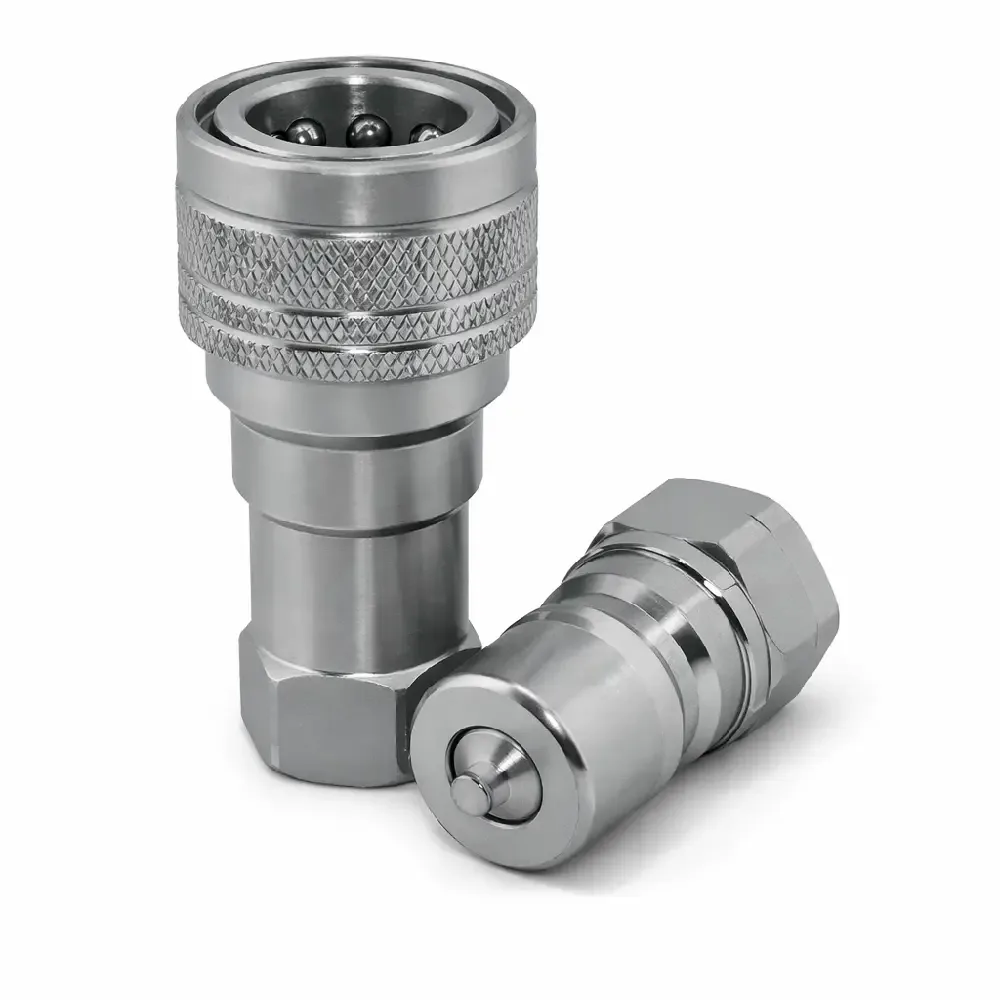
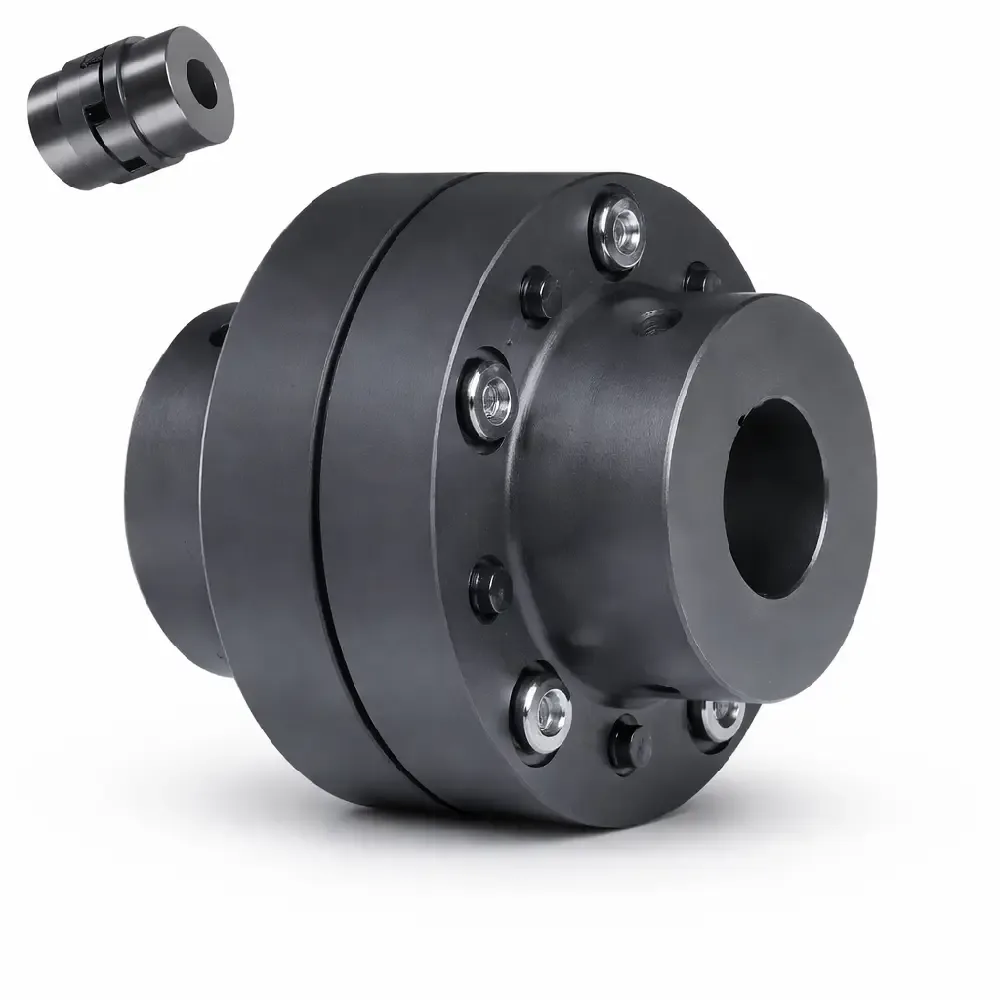
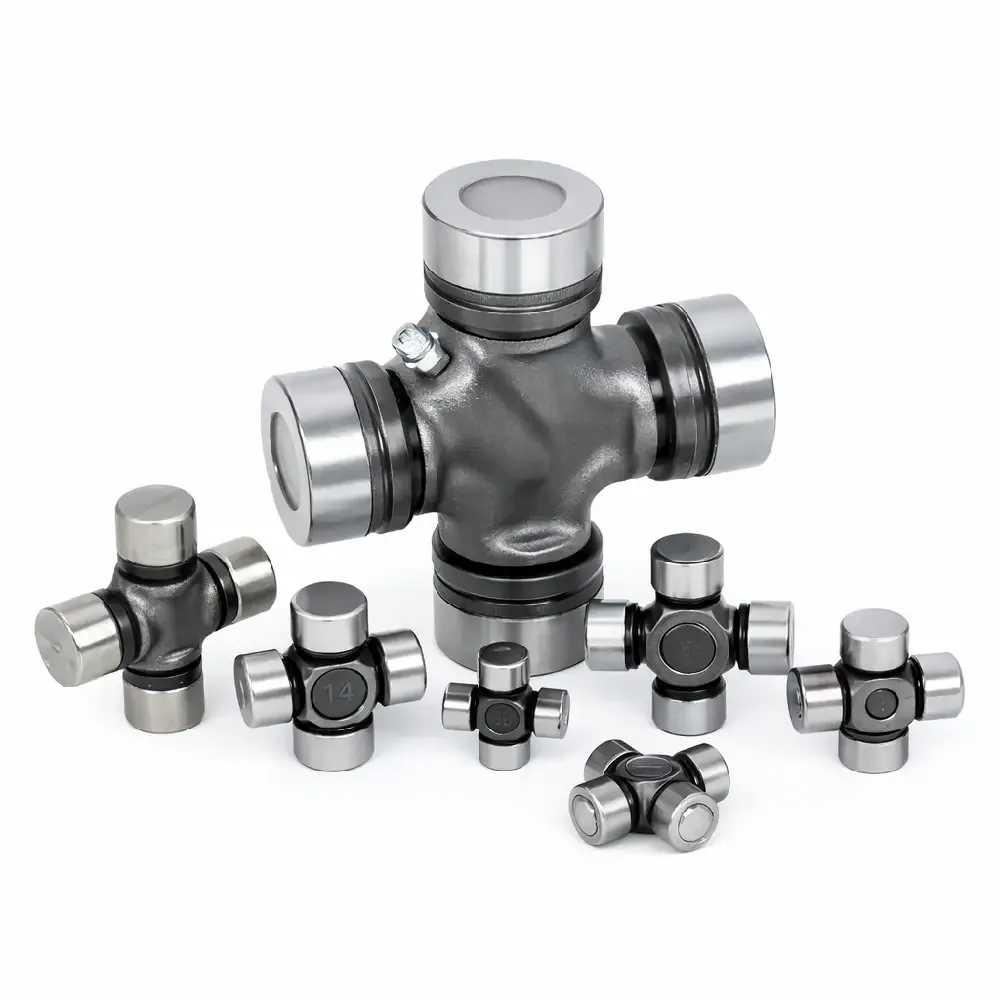
Explore Agricart's range of high-quality couplings, essential for connecting shafts and transmitting power in agricultural machinery. Our selection includes flexible couplings, quick-release couplings, and universal joints, designed for durability and efficient operation.
Coupling
Subcategories
Couplings are vital mechanical components used to connect two shafts together at their ends for the purpose of transmitting power. They are crucial in agricultural machinery to ensure smooth and reliable operation of various systems, from engines to implements. Agricart offers a comprehensive selection of couplings, including flexible couplings to accommodate misalignment, quick-release couplings for easy attachment and detachment of hydraulic lines or pneumatic tools, and robust universal joints (U-joints) for transmitting power at varying angles. Our couplings are manufactured from high-grade materials to withstand the rigorous demands of farming environments, providing excellent torque transmission, vibration dampening, and extended service life. Choose Agricart for dependable coupling solutions that keep your agricultural equipment running efficiently.
Always select the correct coupling type and size for your specific application, considering torque requirements, shaft diameters, and operating conditions. Ensure proper alignment during installation to prevent premature wear and failure. Regularly inspect couplings for signs of wear, damage, or corrosion, and lubricate according to manufacturer specifications. Replace worn or damaged couplings promptly to maintain machinery efficiency and safety.
When selecting couplings for your agricultural needs, consider the type of machinery, required torque, shaft diameters, operating speed, and environmental conditions. Flexible couplings are ideal for slight misalignments, while universal joints are best for significant angular power transmission. Quick-release couplings offer convenience for frequently connected/disconnected hydraulic or pneumatic lines. Always check material compatibility and ensure the coupling's load capacity meets or exceeds your application's demands. Consult product specifications and, if unsure, seek expert advice from Agricart.
Couplings for agricultural machinery typically fall under HS Code 8483.60.00. Ensure accurate classification and provide detailed product descriptions to facilitate smooth customs clearance. Applicable duties and taxes will be assessed based on the declared value and origin.
Importers should verify all necessary permits and licenses for mechanical components. Ensure compliance with Pakistani import regulations, including quality standards and labeling requirements. Proper documentation, including commercial invoice, packing list, and bill of lading, is essential for efficient import processing.
Exporters must adhere to international trade regulations and the specific requirements of the destination country. Ensure proper packaging for international transit and provide all required export documentation, such as export declarations and certificates of origin. Compliance with phytosanitary or other specific certifications may be required depending on the product and destination.
8483.60.00
- What is the primary function of a coupling in agricultural machinery?
- The primary function of a coupling is to connect two shafts together to transmit power from one to the other, while also accommodating any misalignment, absorbing shocks, and dampening vibrations.
- What types of couplings does Agricart offer?
- Agricart offers a variety of couplings including flexible couplings for misalignment, quick-release couplings for easy connection/disconnection, and universal joints (U-joints) for angular power transmission.
- How do I choose the right coupling for my equipment?
- Consider factors like the type of machinery, torque requirements, shaft diameters, operating speed, and environmental conditions. Refer to our buying guide or contact Agricart's experts for assistance.
- What are the benefits of using high-quality couplings?
- High-quality couplings ensure efficient power transmission, reduce stress on machinery by accommodating misalignment, dampen vibrations, extend equipment life, and offer enhanced durability in demanding agricultural environments.
- How often should couplings be inspected and maintained?
- Couplings should be regularly inspected for wear, damage, or corrosion, and lubricated according to manufacturer specifications. The frequency depends on operating conditions and usage intensity, but generally, a routine check during seasonal maintenance is recommended.