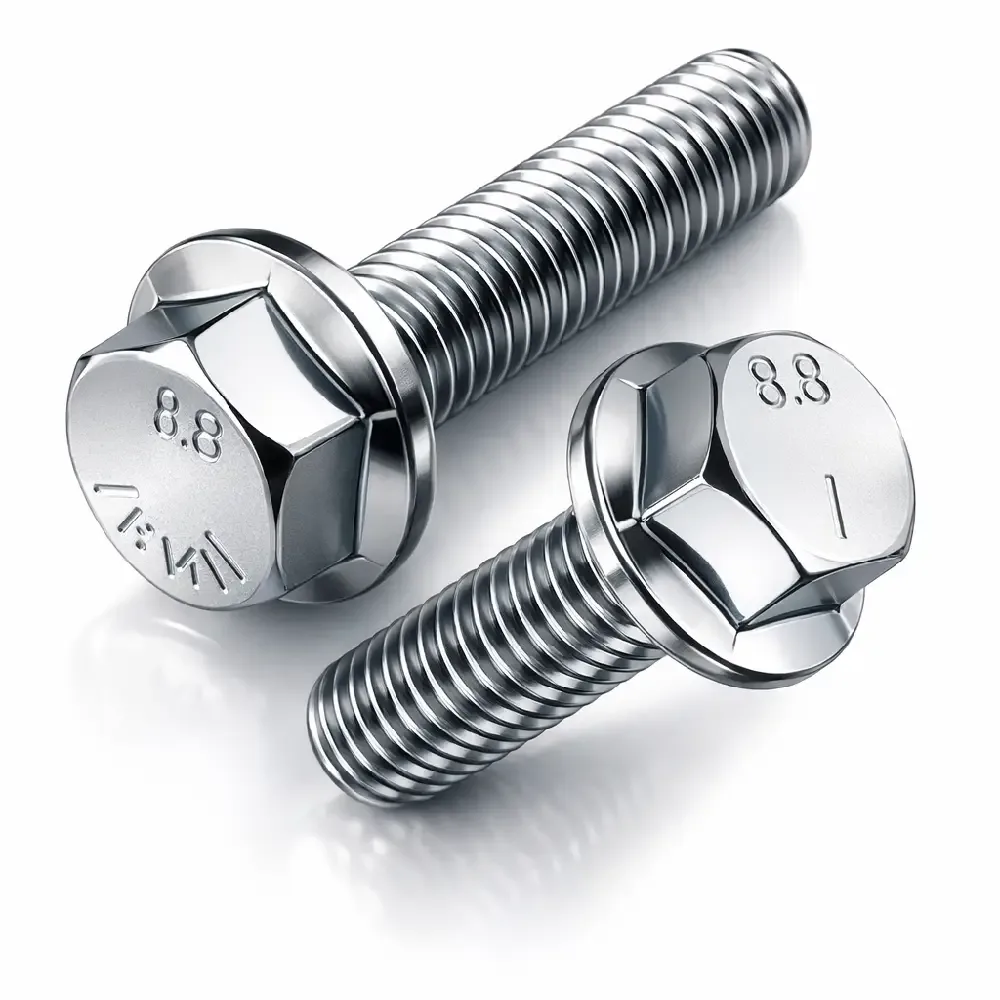
Durable and reliable collar bolts for secure fastening in various agricultural and industrial applications. Designed for strength and longevity.
Collar Bolt
Subcategories
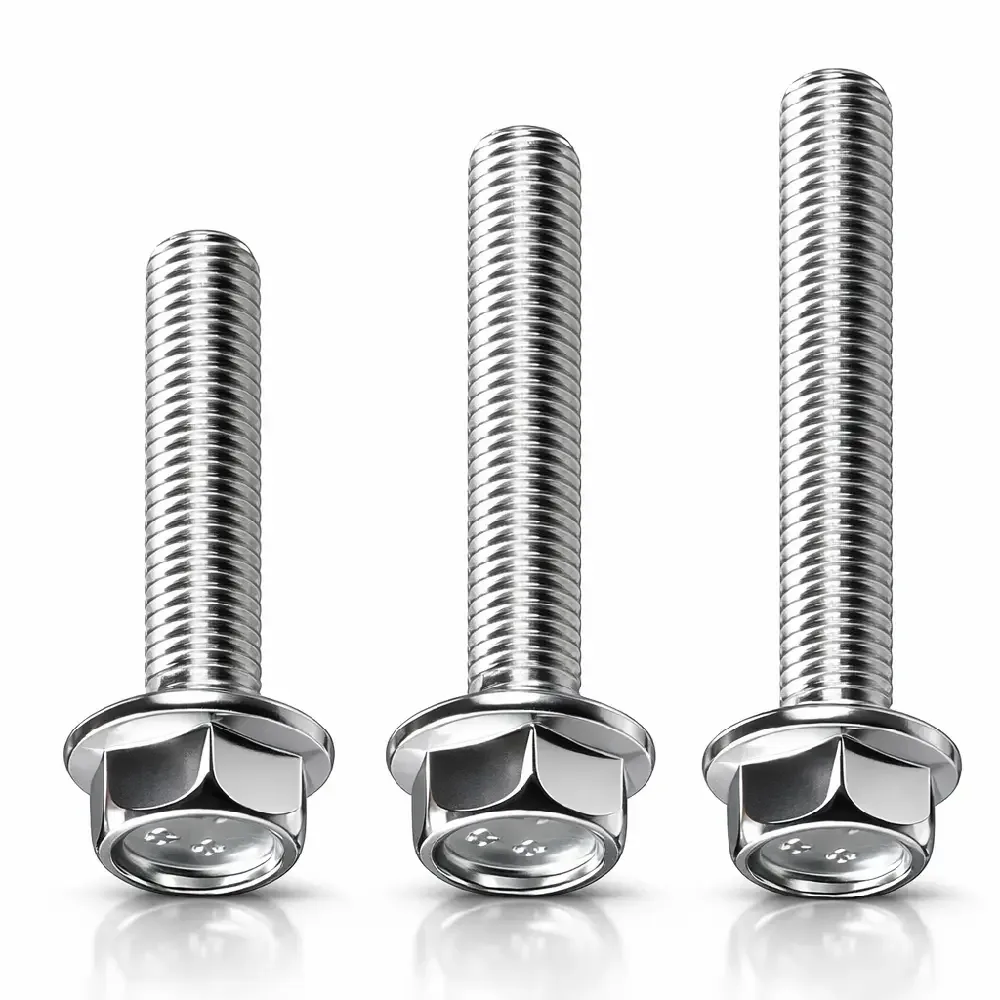
Our high-quality collar bolts are essential fasteners for a wide range of applications, particularly in the demanding environments of agriculture and general industry. Featuring a hexagonal head and a collar (flange) under the head, these bolts provide a larger bearing surface, distributing the load more effectively and preventing loosening due to vibration. Manufactured from robust materials, they offer excellent resistance to corrosion and wear, ensuring a long service life even in challenging conditions. Ideal for securing machinery parts, structural components, and various assemblies where a strong, stable, and reliable connection is paramount.
Select the correct size and material for your specific application. Ensure proper torque is applied during installation to prevent over-tightening or under-tightening. Always use appropriate tools for installation and removal. Regularly inspect bolts for signs of wear or damage, especially in high-vibration or corrosive environments.
Enhanced load distribution due to integrated collar, superior vibration resistance, increased structural integrity, long-lasting durability, and corrosion resistance. Simplifies assembly by often eliminating the need for a separate washer.
Do not exceed the recommended torque specifications for the bolt size and material. Using damaged or incorrect size bolts can lead to structural failure. Avoid using in applications where extreme shear forces are present without proper engineering consultation.
When purchasing collar bolts, consider the material (e.g., stainless steel for corrosion resistance, high-tensile steel for strength), thread type (coarse or fine), diameter, and length. Match these specifications to your application's requirements. For agricultural machinery, prioritize durability and resistance to environmental factors. Check the grade marking on the bolt head for strength classification.
Standard customs procedures apply. Ensure correct classification and declaration for smooth import/export. May require specific certifications depending on material and origin.
All imported collar bolts must comply with Pakistani quality and safety standards. Importers are responsible for all duties and taxes. Bulk orders may require specific import permits.
Exporters should verify the import regulations of the destination country. Proper packaging and documentation are crucial for international shipping. Compliance with international trade laws is mandatory.
7318.15.00
- What is a collar bolt?
- A collar bolt, also known as a flange bolt, is a type of bolt with a hexagonal head and an integrated washer-like flange directly under the head. This flange distributes the load over a larger area, reducing the need for a separate washer and providing better resistance to loosening.
- What are the common uses of collar bolts in agriculture?
- In agriculture, collar bolts are commonly used for assembling and repairing farm machinery, implements, tractors, and irrigation systems. Their enhanced load distribution and vibration resistance make them ideal for securing components in high-stress and dynamic environments.
- What materials are collar bolts typically made from?
- Collar bolts are typically made from various materials including carbon steel (often zinc-plated for corrosion resistance), stainless steel (for superior corrosion resistance), and high-tensile steel for applications requiring exceptional strength.
- How do I choose the right size collar bolt?
- To choose the right size, you need to consider the diameter of the bolt (e.g., M6, M8, M10) and its length. These dimensions should match the holes and the thickness of the materials you are fastening. Always refer to the manufacturer's specifications for the equipment you are working on.
- Can collar bolts be reused?
- While some collar bolts can be reused if they are in good condition and not subjected to critical stress, it is generally recommended to replace fasteners, especially in high-stress or safety-critical applications, to ensure optimal performance and safety. Always inspect for thread damage, stretching, or corrosion before reuse.