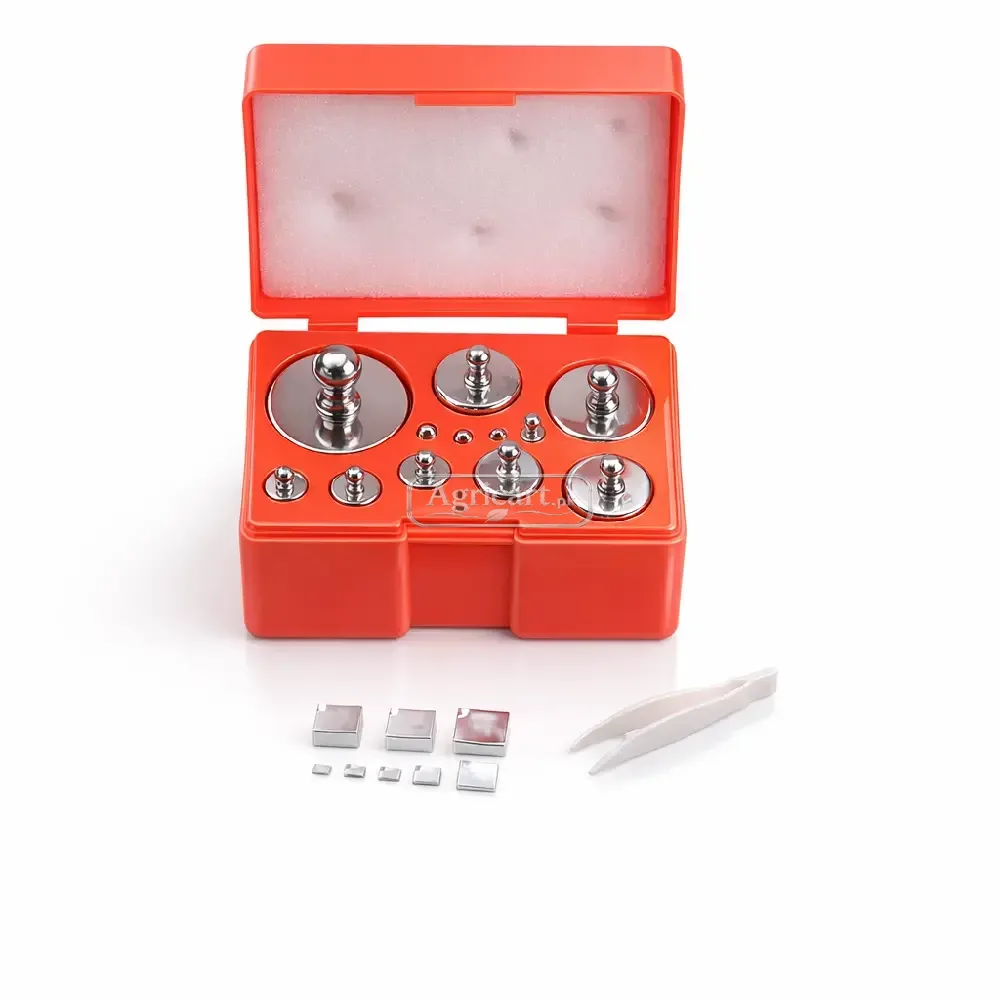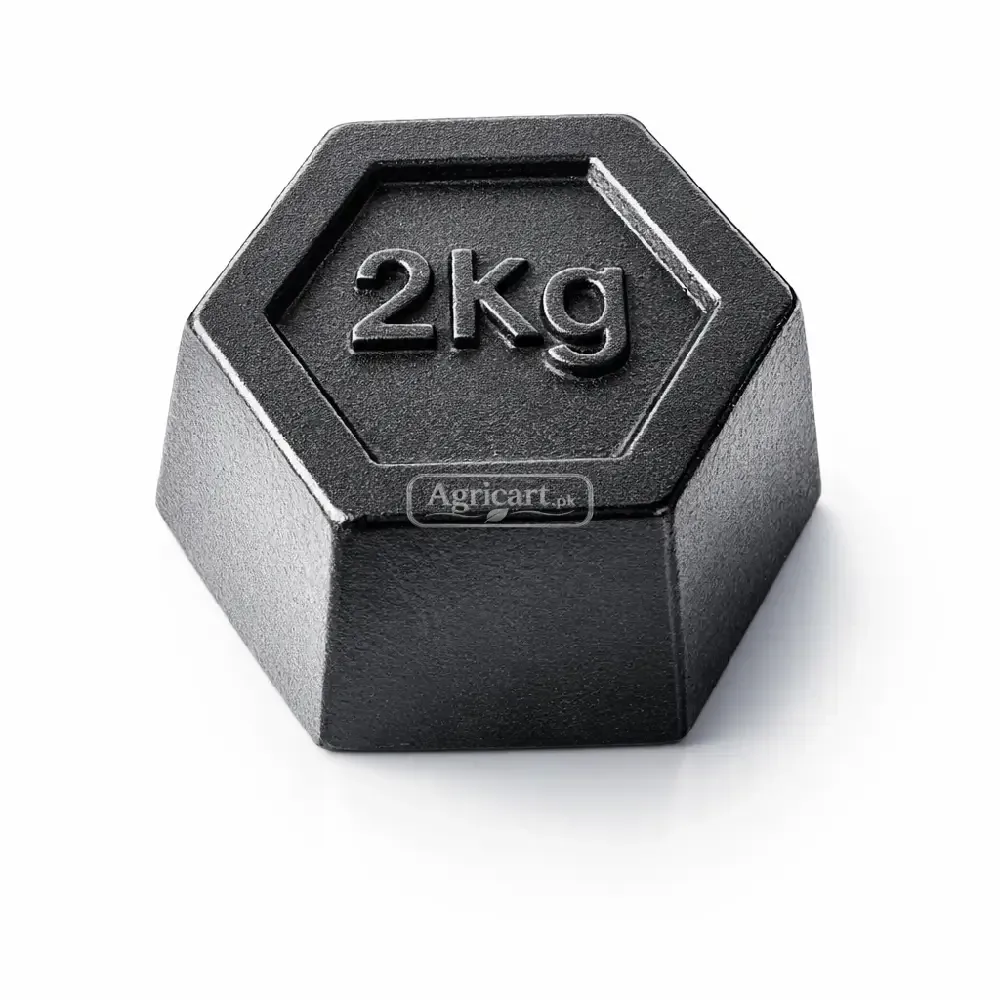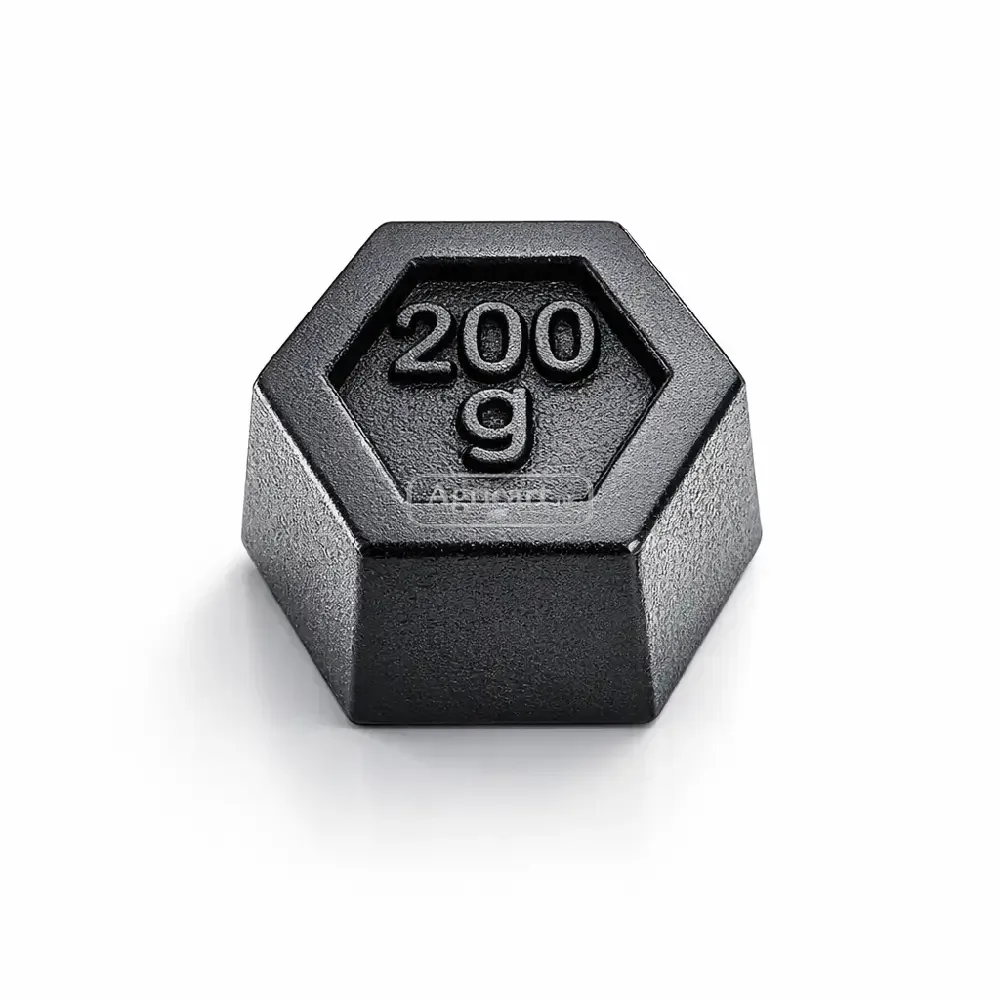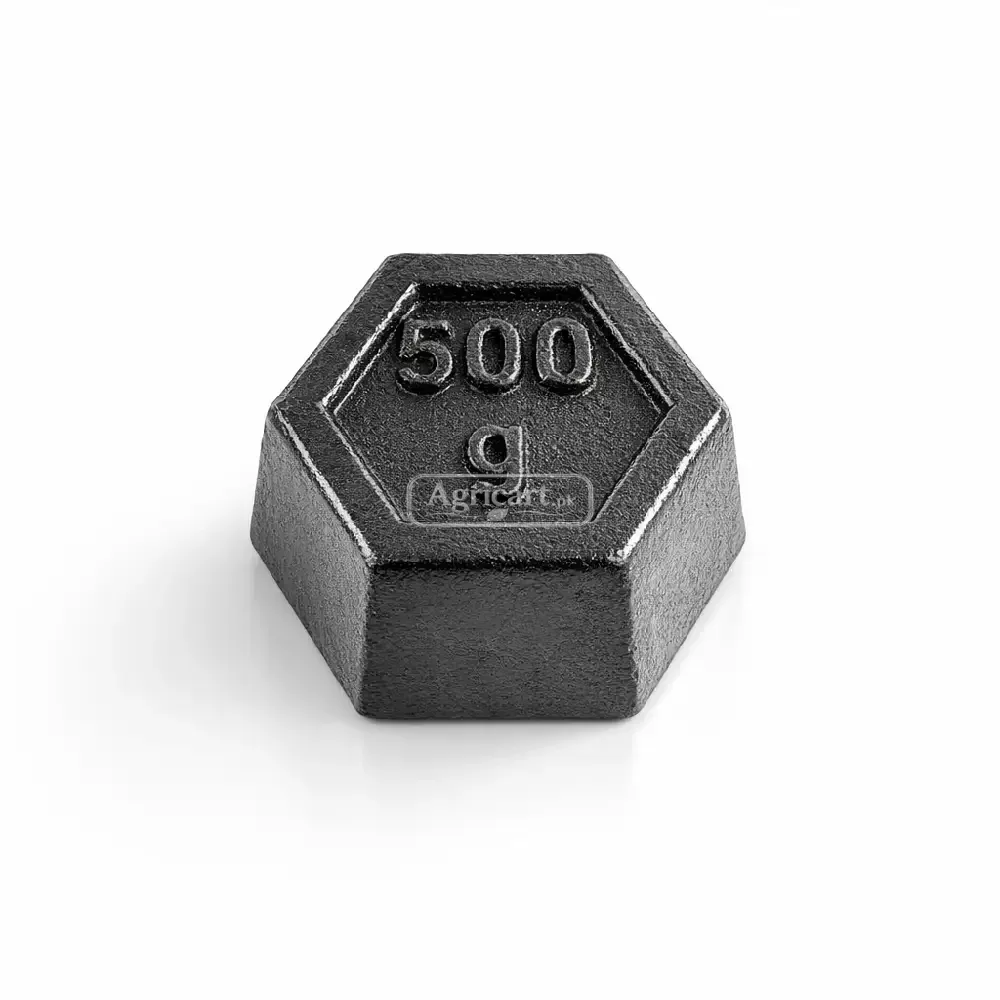
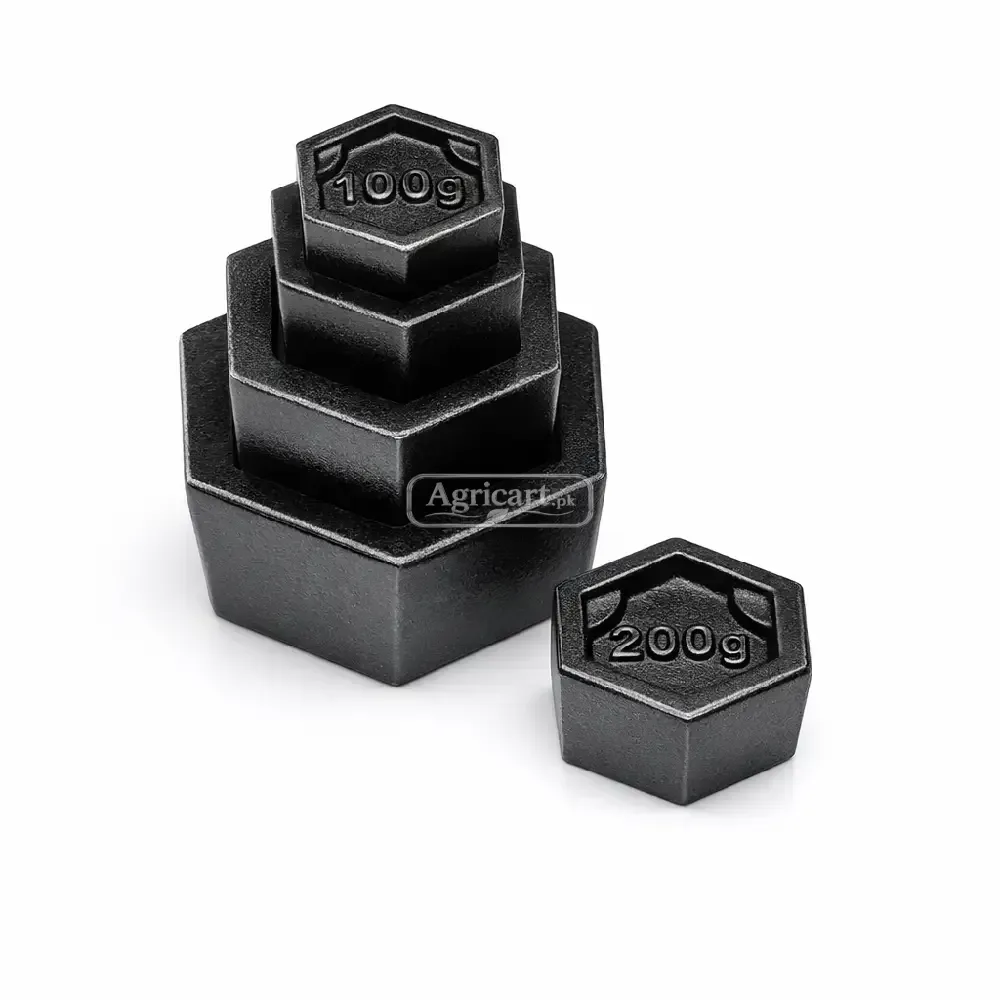
Ensure accuracy in your agricultural measurements with our range of high-precision calibration weights. Essential for scales and balances used in farming.
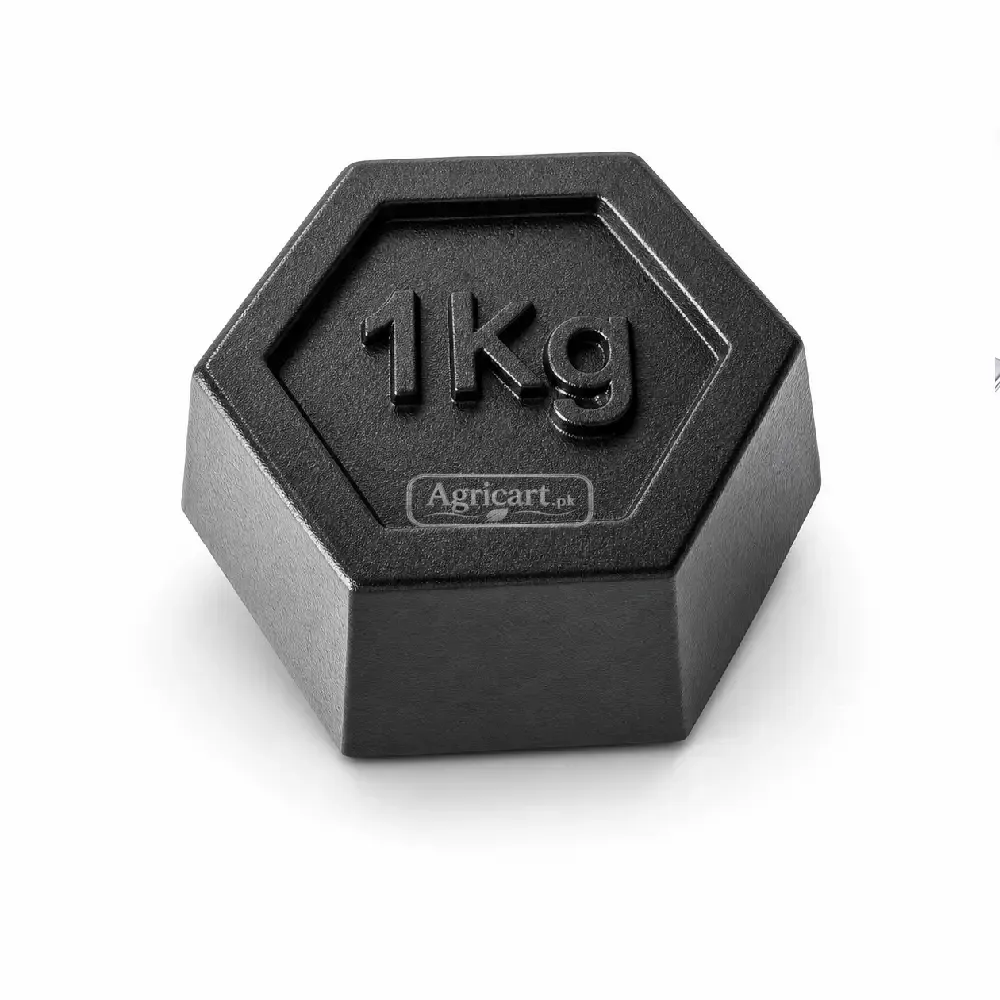
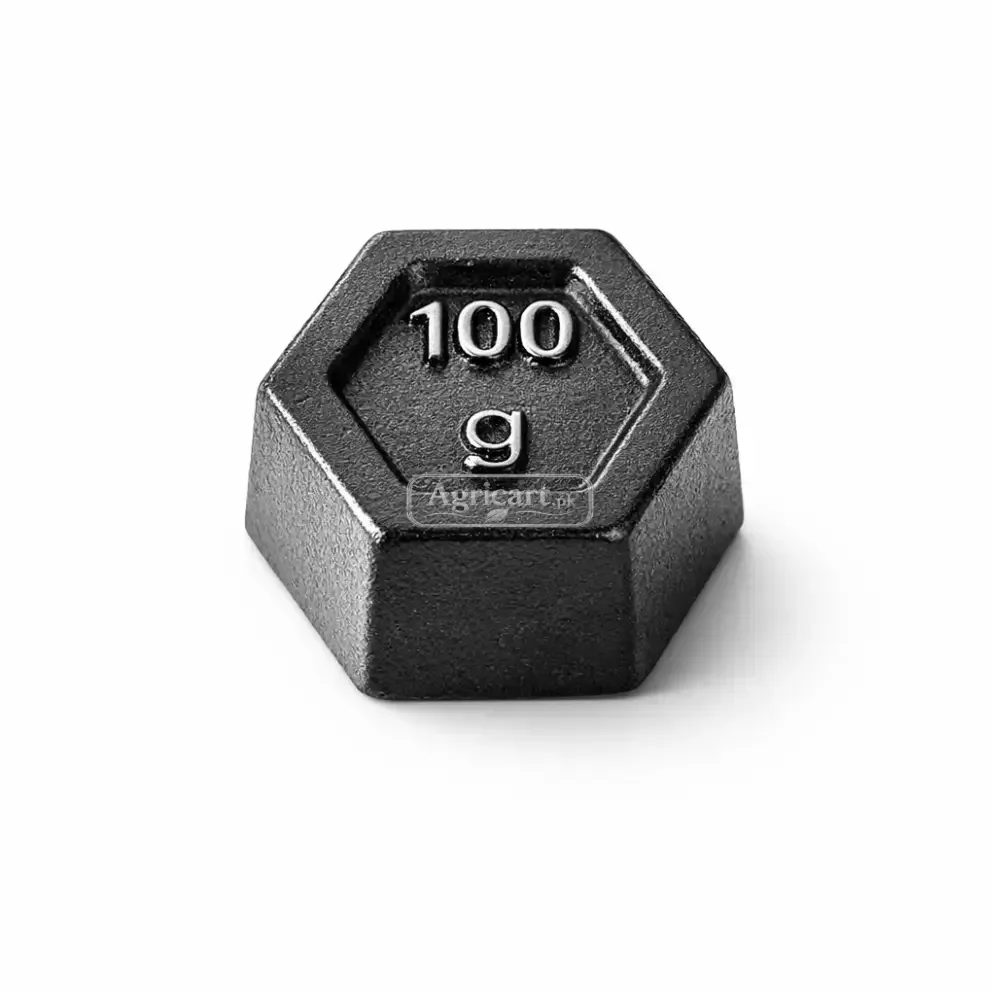
Calibration weights are indispensable tools for maintaining the accuracy and reliability of weighing scales and balances, particularly in agricultural settings. From weighing seeds and fertilizers to produce and livestock feed, precise measurements are critical for operational efficiency and profitability. Our selection of calibration weights includes various classes (e.g., OIML Class F1, F2, M1) and denominations (from milligrams to kilograms) to suit different types of scales and accuracy requirements. Made from high-quality materials like stainless steel or cast iron, these weights are designed for durability and stability, ensuring consistent performance over time. Regular calibration with these weights helps prevent costly errors, ensures compliance with industry standards, and optimizes resource management on the farm.
Always handle calibration weights with gloves to prevent contamination from oils and dirt. Store them in their protective cases in a clean, dry environment. Before use, ensure the weight and the scale's weighing pan are clean. Place the weight gently in the center of the pan. Allow the scale to stabilize before taking a reading. Follow the scale manufacturer's calibration procedure. Calibrate your scales regularly, especially before critical measurements or after moving the scale.
Ensures accurate measurements for optimal crop yield and resource management. Prevents costly errors in weighing valuable agricultural inputs and outputs. Extends the lifespan and maintains the precision of weighing equipment. Complies with quality control standards and regulations. Improves efficiency and reduces waste on the farm.
Avoid dropping or striking calibration weights as this can alter their mass and accuracy. Do not expose weights to extreme temperatures or corrosive substances. Do not use damaged or visibly worn weights for calibration. Always use the appropriate class of weight for your scale's accuracy requirements.
When selecting calibration weights, consider the accuracy class required by your scale (e.g., F1 for high-precision lab scales, M1 for general farm scales). Determine the range of weights you need based on the capacity of your scales. Choose weights made from durable materials like stainless steel for better corrosion resistance and longevity. Look for sets that include a variety of denominations to cover all your calibration needs. Ensure the weights come with a certificate of calibration if traceability is required.
Calibration weights are generally classified under measuring instruments. Ensure proper documentation for accuracy class and material composition.
Import of calibration weights may require specific certifications (e.g., OIML) and adherence to national metrology standards. Check with local customs for specific requirements.
When exporting, ensure compliance with the destination country's import regulations for measuring instruments. Proper packaging to prevent damage and maintain accuracy is crucial.
- What is a calibration weight used for?
- Calibration weights are used to verify and adjust the accuracy of weighing scales and balances, ensuring they provide precise measurements.
- How often should I calibrate my farm scale?
- It is recommended to calibrate farm scales regularly, at least once a month, or more frequently if the scale is used heavily, moved often, or if accuracy is critical for specific tasks.
- What accuracy class of calibration weight do I need?
- The accuracy class (e.g., OIML F1, F2, M1) depends on the precision of your scale. High-precision laboratory scales require higher classes (F1), while general-purpose farm scales may use M1 class weights. Consult your scale's manual for recommendations.
- Can I use any object to calibrate my scale?
- No, it is crucial to use certified calibration weights with known and traceable mass. Using arbitrary objects can lead to inaccurate calibration and unreliable measurements.
- How should I store my calibration weights?
- Store calibration weights in their original protective cases in a clean, dry, and temperature-stable environment to prevent damage, contamination, and changes in mass.