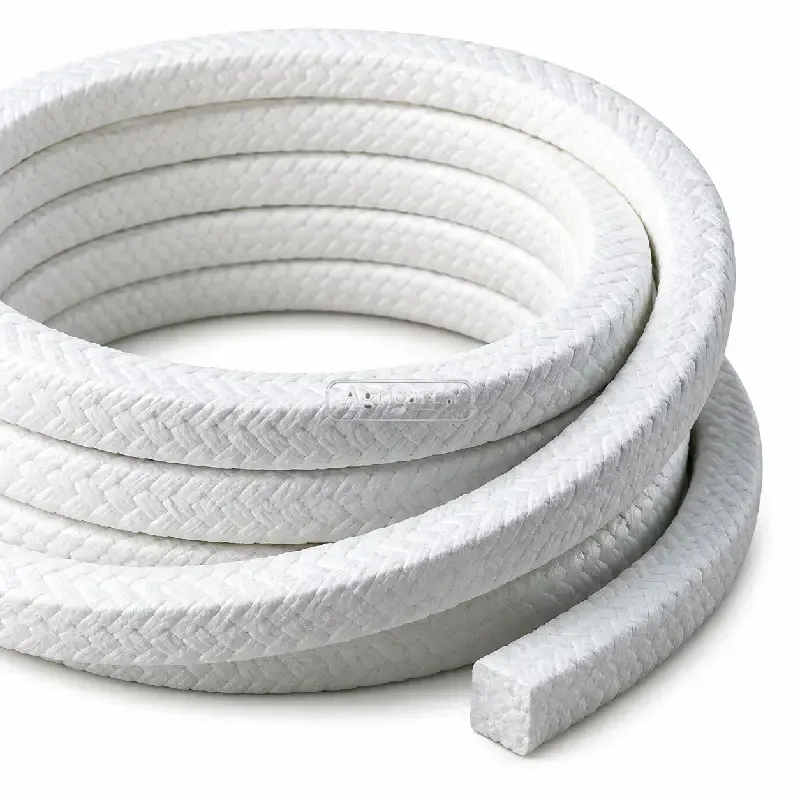
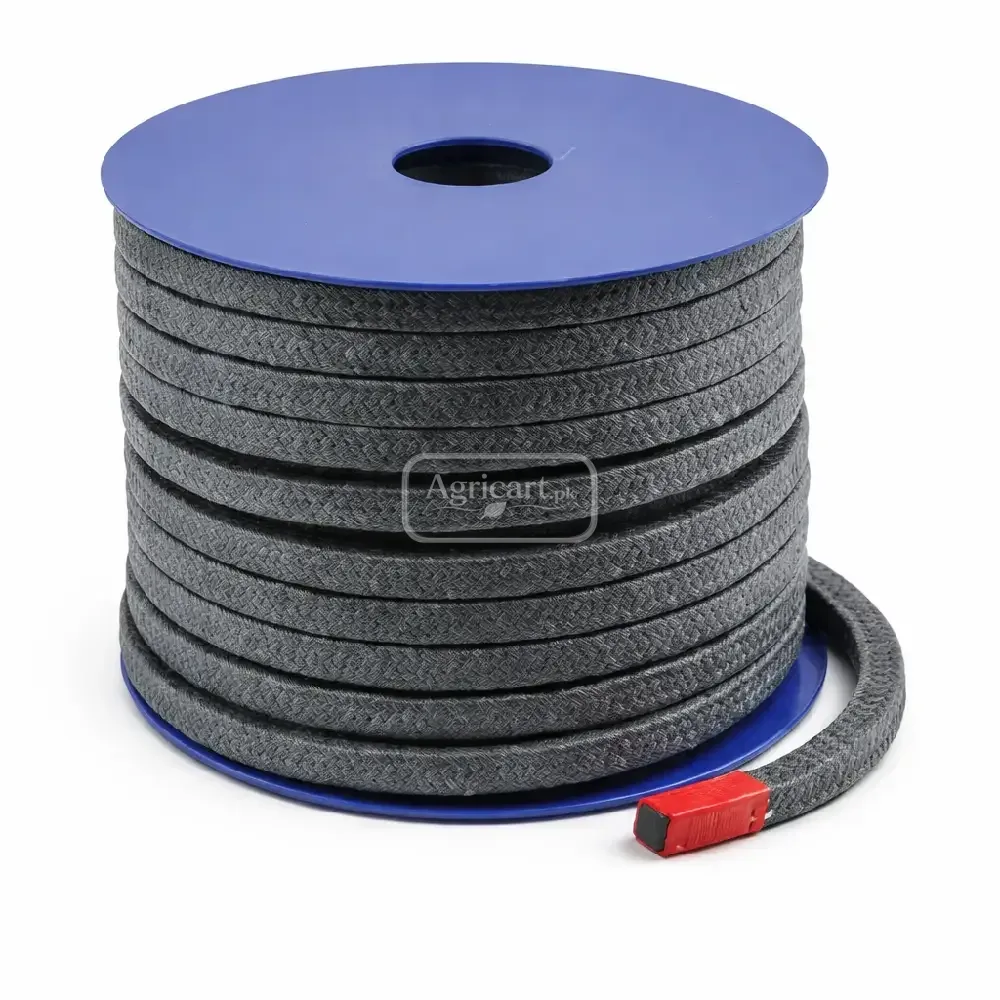
High-quality asbestos gland packing rope for sealing pumps, valves, and other industrial equipment. Provides excellent heat resistance and chemical inertness for various applications.
Asbestos Gland Packing Rope
Our Asbestos Gland Packing Rope is a robust and reliable sealing solution designed for demanding industrial environments. Manufactured from high-grade asbestos fibers, this packing rope offers exceptional resistance to high temperatures, corrosive chemicals, and high pressures. It is ideal for sealing rotating and reciprocating shafts in pumps, valves, mixers, and other machinery, preventing leakage of fluids and gases. Its braided construction ensures flexibility and easy installation, conforming well to various gland configurations. This product is a cost-effective choice for maintaining operational efficiency and reducing downtime in agricultural and industrial settings.
Ensure the gland area is clean and free from old packing. Cut the rope to the appropriate length, ensuring a clean, angled cut for proper sealing. Install the rings one by one, staggering the joints by 90 degrees. Tighten the gland nuts evenly, but do not overtighten. Allow for a slight leakage initially for proper seating, then retighten as needed. Always wear appropriate personal protective equipment (PPE) when handling asbestos products.
Exceptional heat resistance, excellent chemical inertness, high pressure sealing capability, durable and long-lasting, easy to install, cost-effective sealing solution, reduces leakage and downtime.
Asbestos is a hazardous material. Always wear appropriate personal protective equipment (PPE), including a respirator, gloves, and protective clothing, when handling or installing this product. Avoid creating dust. Dispose of asbestos waste according to local regulations. Not recommended for new installations where asbestos-free alternatives are available.
Consider the operating temperature, pressure, and chemical compatibility of your application. Measure the shaft diameter and gland housing dimensions to determine the correct rope size. Choose a reputable supplier like Agricart for quality assurance. Always prioritize safety and ensure proper handling and disposal procedures are followed.
Import of asbestos-containing products may be subject to specific regulations, permits, and duties in Pakistan. Importers are advised to verify current customs policies and obtain necessary clearances before importing.
Due to health and safety concerns, the import of asbestos and asbestos-containing materials is heavily regulated globally. Ensure compliance with all national and international laws, including the Rotterdam Convention, if applicable. Specific permits from environmental protection agencies or health departments may be required.
Export of asbestos-containing products from Pakistan may also be subject to strict regulations and international agreements. Exporters must ensure compliance with the importing country's regulations and obtain all necessary export licenses and documentation.
6812.99.00
- What is Asbestos Gland Packing Rope used for?
- It is primarily used for sealing rotating and reciprocating shafts in pumps, valves, mixers, and other industrial machinery to prevent leakage of fluids and gases, especially in high-temperature and chemical environments.
- Is asbestos safe to handle?
- Asbestos is a hazardous material. It is crucial to wear appropriate personal protective equipment (PPE), including a respirator, gloves, and protective clothing, to avoid inhaling asbestos fibers. Always follow safety guidelines and proper disposal procedures.
- What are the alternatives to asbestos gland packing?
- Modern alternatives include packing made from graphite, PTFE, aramid, carbon fiber, and various synthetic fibers, which offer similar performance characteristics without the health risks associated with asbestos.
- How do I choose the correct size of gland packing rope?
- To choose the correct size, you need to measure the shaft diameter and the internal diameter of the gland housing. The difference between these two measurements, divided by two, will give you the approximate cross-sectional size of the packing rope needed.